
Last updated October 31, 2026
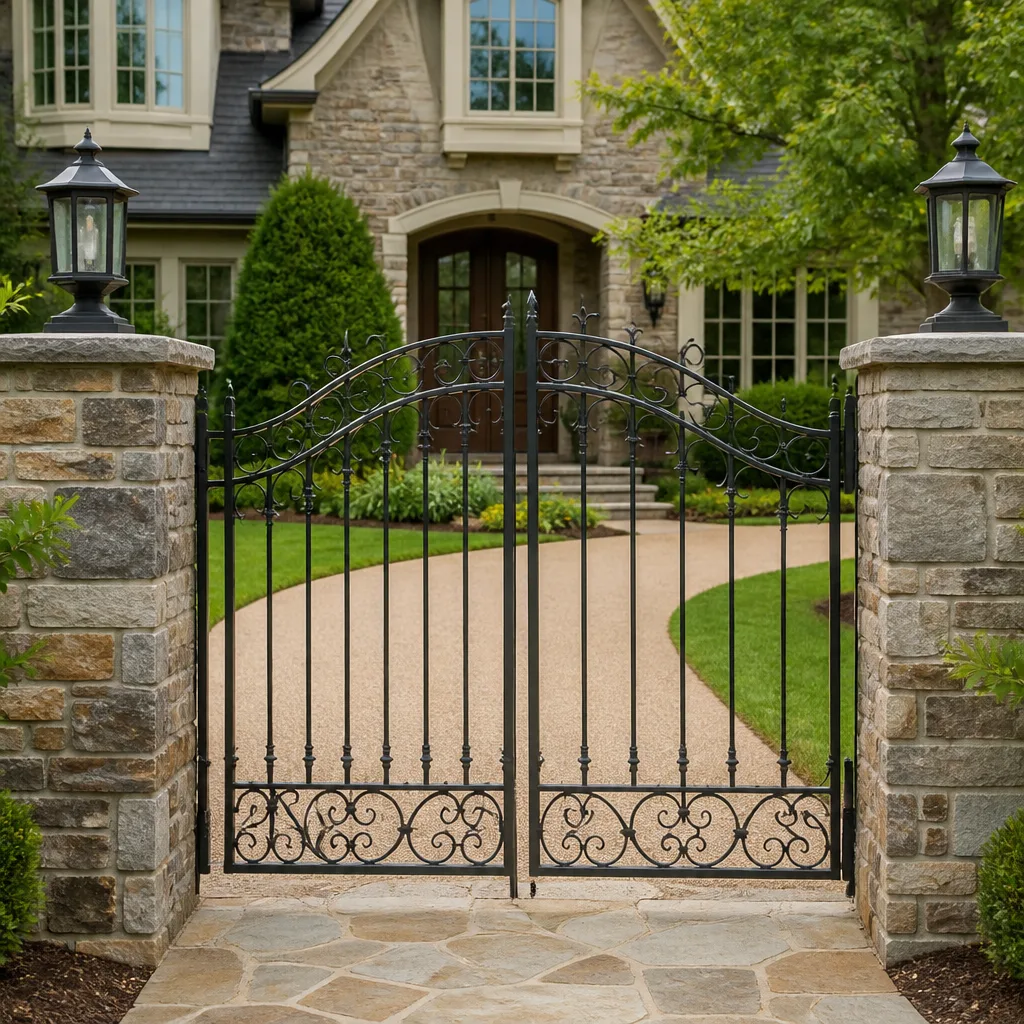 Wrought iron
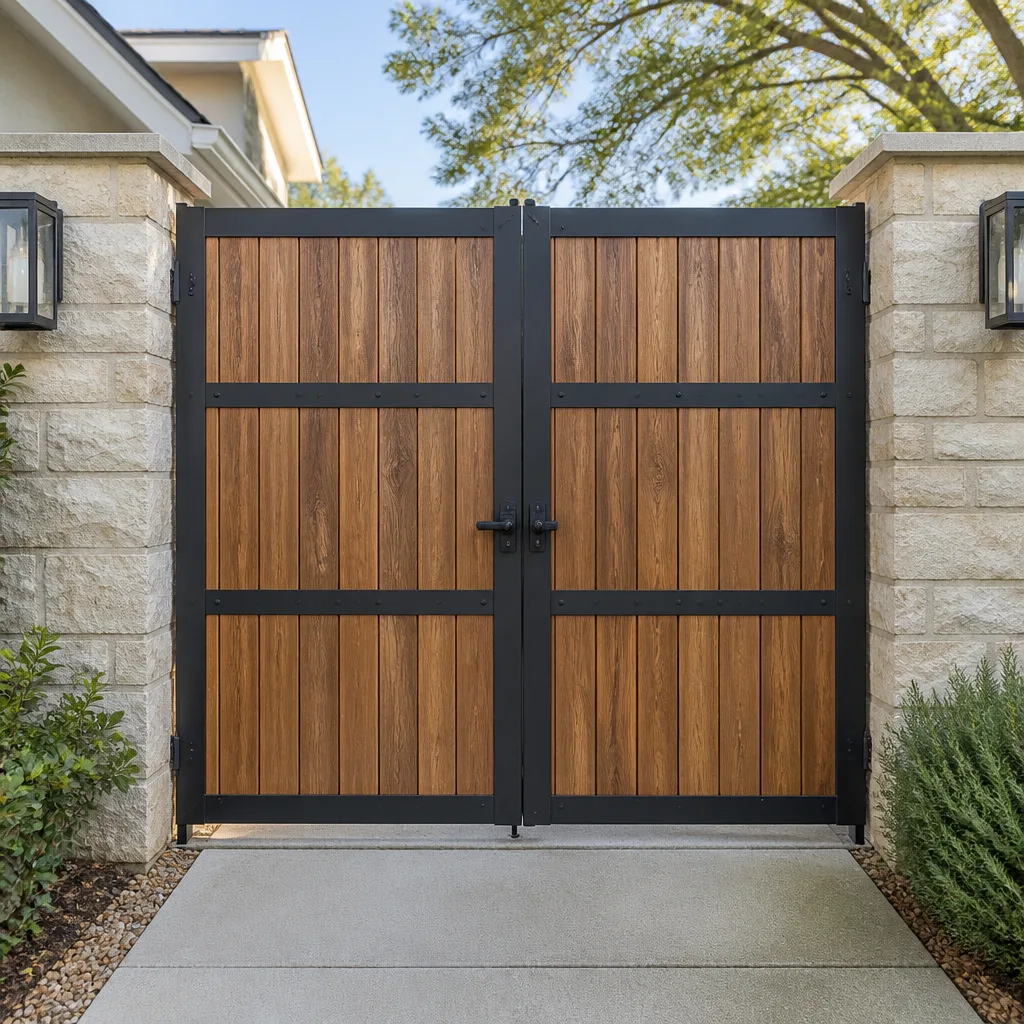 Wood & steel frame
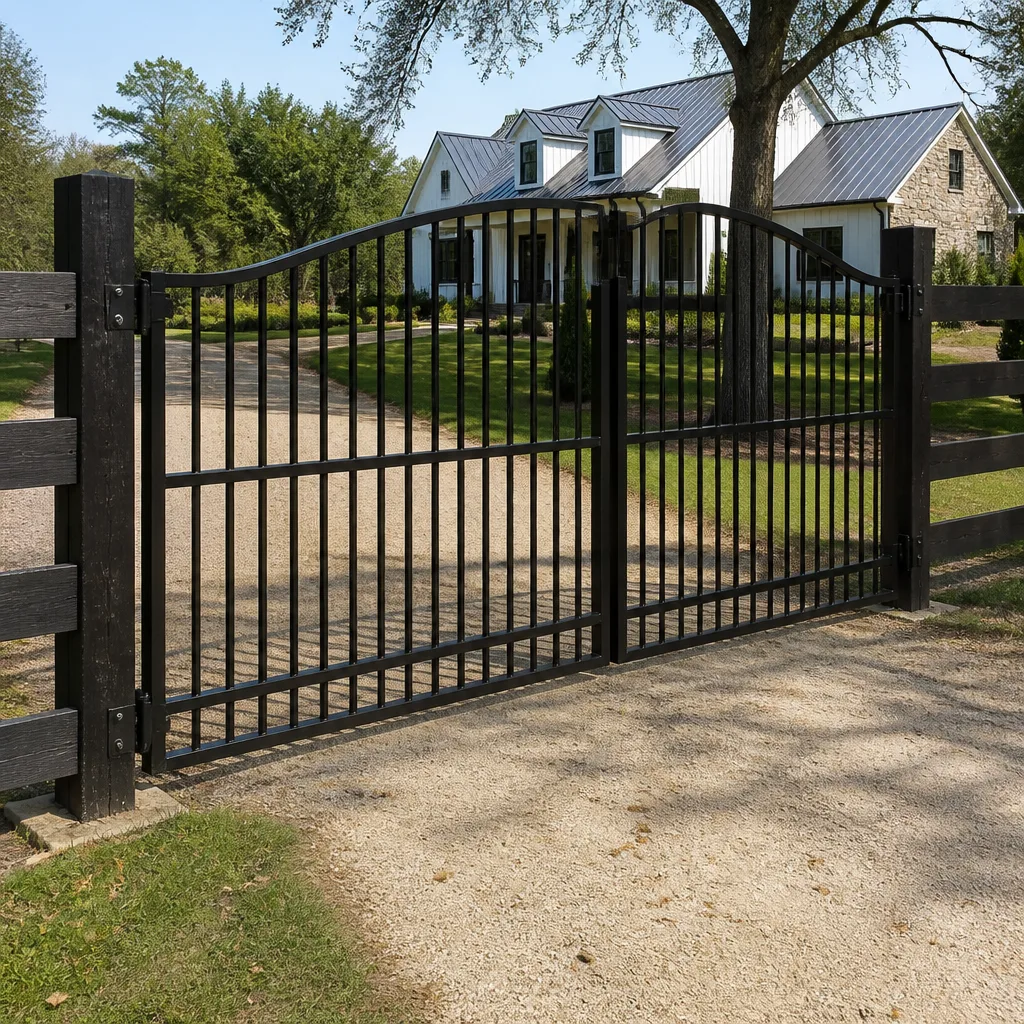 Farm & ranch
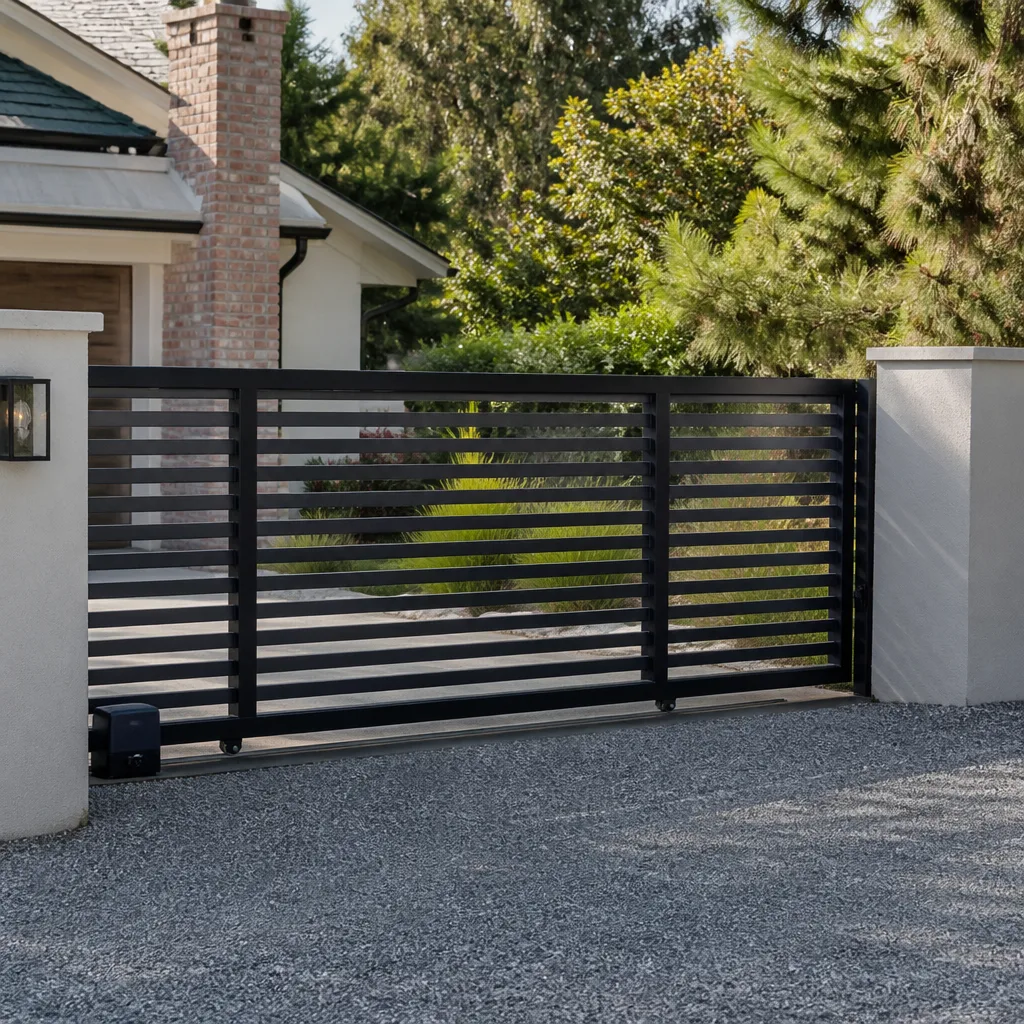 Sliding driveway gates
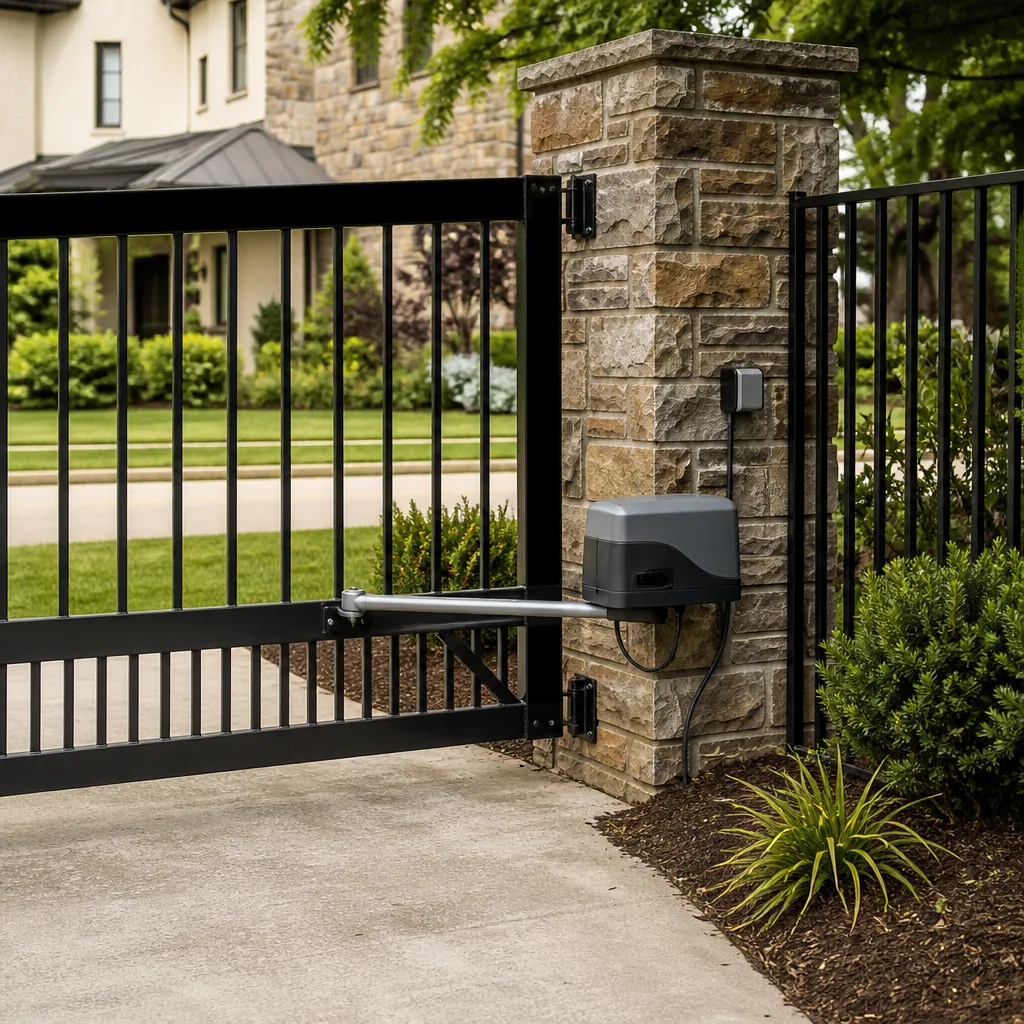 LiftMaster operators
Free on-site gate assessment - hinges, posts, and your LiftMaster or Nice gate operator checked before anything is quoted
The assessment is free and the quote is the invoice.
Get your free estimateThe Complete Gate Repair Guide for Miami Homeowners
A gate installed in Coral Gables deteriorates faster than the same model installed in Phoenix. Not because of sloppy installation or an inferior brand. Because Miami’s salt-laden air, hurricane-season humidity, and relentless UV exposure accelerate corrosion on hardware that would last a decade elsewhere. Most repair guides ignore this reality entirely. This one treats Miami as its own repair environment, because it is. In the next several minutes, you’ll learn exactly how South Florida’s climate attacks your gate, which failures happen first, what you can catch before a breakdown, and when a repair stops making financial sense.
Styles & brands we work with
Quick Answer
Gate repair in Miami costs between $150 and $450 for most hinge, wheel, and sensor issues, while motor and control board replacements on automated gates typically run $450 to $1,800 depending on brand. The fastest path to an accurate diagnosis is a specialist inspection, since Miami’s salt air and humidity create failure patterns that general repair guides don’t cover. The good news: most wear-related gate problems can be caught during a seasonal inspection before they become emergencies.
Table of Contents
- Why Miami Gates Fail Faster Than Anywhere Else
- How Your Gate’s Material Determines Its Failure Pattern
- Storm Damage vs. Wear Damage: Two Different Repair Approaches
- The Miami Seasonal Inspection Checklist
- Why Miami Soil Shifts Swing Gates (and What It Does to Alignment)
- Electric Gate Components That Fail First in Humidity
- What You Can Check Yourself (and What You Shouldn’t Touch)
- Repair vs. Replace: A Miami-Specific Cost Framework
- Common Mistakes to Avoid
- When to Call a Professional
- Frequently Asked Questions
- The Bottom Line
Why Miami Gates Fail Faster Than Anywhere Else
Three environmental forces work against your gate every single day. Salt air is the most aggressive. Miami’s ocean breezes carry microscopic salt particles that settle on metal surfaces and create a corrosion cycle that’s difficult to interrupt. Hinges that would stay smooth for ten years in a dry climate can seize in three here. Gate motors with exposed or poorly sealed housings develop internal corrosion on terminals, connectors, and motor windings. The result is not just cosmetic rust. It’s bearing failure, seized pivot points, and electrical shorts that a technician has to trace component by component.
Humidity compounds the problem. Miami’s average relative humidity runs above 70 percent year-round. That means condensation forms inside control boards, on limit switches, and across motor terminals even when it isn’t raining. Control boards are especially vulnerable. A BFT or FAAC board that would last indefinitely in a climate-controlled environment can fail in five to seven seasons here because moisture bridges form between connection points. In our experience, we see more control board corrosion failures in Miami than in any other environment this equipment gets installed in.
UV exposure is the third factor. Constant Florida sun degrades plastic housings, wire insulation, and rubber seals. Photo sensors crack. Remote receiver antennas become brittle. Vinyl gate inserts fade and warp. The cumulative effect: a gate system in Miami needs roughly twice the maintenance attention of the same system installed in a temperate climate like Atlanta or Charlotte. That’s not marketing language. It’s what the failure data from ten years of gate repair in Miami consistently shows.
How Your Gate’s Material Determines Its Failure Pattern
Different gate materials fail in different ways in Miami’s climate. Knowing which failure pattern applies to your gate helps you inspect intelligently and communicate more precisely with a technician.
- Aluminum gates resist rust well, but they oxidize. The failure point is almost always at the weld joints and hinge mounting bolts. Aluminum’s softness means hinge screws strip out over repeated cycles, especially on heavy driveway gates. In Miami, aluminum gates also suffer from electrolysis where aluminum hardware contacts stainless steel fasteners in the presence of salt moisture.
- Wrought iron gates are strong but rust aggressively in Miami. The first signs appear at the bottom rail, where irrigation water and rain splash back onto the metal. Rust scales expand inside the hollow sections and split the metal from within. By the time you see brown staining, the internal structure may already be compromised. Welded gate frames hold up better than bolted ones, but both need rust-preventative maintenance every two to three years in this market.
- Wood gates face a double enemy: moisture and UV. The constant humidity cycle swells and contracts the wood, loosening joints over time. UV then degrades any finish that isn’t marine-grade. You’ll see warping at the top corners first, then hinge pull-out where the wood has softened. A wood gate in Miami without annual sealing typically lasts three to five years before structural repair is needed.
- Vinyl gates resist moisture and salt better than wood, but UV makes them brittle. The failure pattern is cracking at stress points: where panels meet the frame, around the hinges, and along the bottom rail. Once cracking starts, Miami’s rain gets inside the hollow vinyl and the structural integrity drops quickly. Vinyl is also the most likely material to shatter on impact during a storm.
Storm Damage vs. Wear Damage: Two Different Repair Approaches
A gate that stops working right after a hurricane is not the same repair job as a gate that’s been degrading for six months. Technicians who treat them identically waste your money. Here’s how to tell the difference.
Storm damage is typically sudden and visible. You’ll see bent gate leaves, shifted posts, broken hinges, damaged motor arms, or a gate that was forced past its travel limits by wind. The repair approach is structural first: assess what bent, what broke, and what merely got knocked out of alignment. Insurance may cover storm-related gate damage, so documentation matters. Take photos before anyone touches anything. A good storm damage assessment also checks the foundation and mounting points, because wind loading on a gate transfers stress to the posts and concrete, not just the visible hardware.
Wear damage is gradual and predictable. The gate gets progressively slower. You hear grinding one week, then a pop. The opener struggles on hot days. A hinge starts to sag. These are deterioration patterns, not events. The repair approach is diagnostic: find the wearing component, determine whether it damaged adjacent parts, and replace the whole wear set rather than one isolated piece. In Miami, wear damage often has a corrosion component, so a technician should inspect the entire hinge assembly, not just the one that finally seized.
The critical distinction: storm damage usually requires immediate repair to maintain security and function, while wear damage can often be scheduled. But here’s what most homeowners miss. Miami’s storm season accelerates wear. The wind and rain of a single tropical storm can take a gate that was already at sixty percent of its service life and push it to failure. That’s why the pre-season inspection matters more here than in any other U.S. market.
The Miami Seasonal Inspection Checklist
In Miami, gate maintenance follows two seasons: pre-hurricane (April through May) and post-season (November through December). Each has a different focus.
Pre-Hurricane Season (April – May)
- Test the full open and close cycle under load. Listen for grinding, clicking, or hesitation. A gate that stutters mid-cycle is warning you about motor or limit switch wear.
- Inspect all hinge bolts and mounting brackets for rust, looseness, or play. Grab the gate at the latch side and lift. Movement of more than a quarter inch means hinge wear.
- Check the safety sensors and photo eyes. Clean the lenses. Confirm the auto-reverse function works by blocking the beam while the gate closes.
- Examine the control board area for moisture, corrosion, or insect nests. Miami’s crawly residents love warm control cabinets. Ants and lizards cause real electrical shorts.
- Test the manual release. If a hurricane knocks out power, you need to know you can open the gate by hand. A seized manual release is a discovery you do not want to make during an evacuation.
- Look at the gate’s foundation posts. Cracks in the concrete, leaning posts, or gaps between post and soil mean the structural support is degrading.
Post-Season (November – December)
- Recheck everything above, with special attention to water intrusion. After heavy rains, control boxes often show new corrosion or condensation marks.
- Inspect for impact damage that wind-blown debris may have caused. Check the bottom rail and lower hinges for dents or strikes.
- Lubricate all moving components with a marine-grade lubricant. Standard lithium grease washes out too fast in Miami’s environment.
- Test remote range. If your remotes are working at reduced distance after the season, moisture or antenna damage may be the cause.
- Schedule any needed repairs before the holiday season, when gate use increases and service schedules fill up.
Why Miami Soil Shifts Swing Gates (and What It Does to Alignment)
Miami sits on porous limestone, sand, and a high water table. The ground under your gate posts is not stable in the way that clay-heavy soils in the Midwest can be. Sandy soil compresses under repeated load and shifts during heavy rain saturation. The water table rises and falls through the year, and the soil expands and contracts accordingly. For a swing gate, this has a very specific consequence: post movement.
When a gate post shifts even half an inch, the entire swing arc changes. The gate that once cleared the driveway grade now scrapes it. The latch that once aligned perfectly now misses its catch by a quarter inch. The motor arm that moved smoothly through its range now binds at the midpoint. These are alignment failures, and they’re far more common in Miami than in most other markets.
Diagnostic signs of soil-related alignment trouble include a gate that opens fine but struggles to close, increased motor strain and heat, and visible scraping marks on the driveway or gate track. You may also notice the gate drifting or sagging toward the latch side. The fix usually involves re-setting the post in proper concrete, which means digging it out and re-anchoring. This is not a quick adjustment. It’s a structural repair, and it needs to be done before the misalignment destroys the motor or hinge set. For swing gate owners in neighborhoods like Pinecrest or Palmetto Bay, where soil is particularly sandy, we recommend checking post stability every two years at minimum.
Electric Gate Components That Fail First in Humidity
Automated gates have several electrical components, and Miami’s humidity attacks each one differently. Understanding which component is failing helps you describe the problem accurately and avoid paying for parts you don’t need.
Control boards are the brain of the system and the most climate-sensitive part. Brands like BFT, FAAC, Linear, and Viking all build boards with protective coatings, but those coatings have limits. Six to eight years of Miami humidity is typically when we start seeing board failures related to moisture. Symptoms include intermittent function, unresponsive remotes, the gate reversing for no reason, or complete system shutdown.
Loop detectors sense the presence of vehicles on the driveway side. They’re buried underground and connect to the control board. In Miami, loop detector failures are often caused by water intrusion at the splice point or by the shifting soil we discussed earlier. A failed loop detector keeps the gate from opening automatically when a car approaches, even though the remote still works.
Limit switches tell the motor when to stop moving the gate. They’re mechanical or magnetic. In humid environments, the mechanical versions corrode and stick. The gate may refuse to stop at the correct position, or it may slam shut and bounce back open. Magnetic limit switches are more resistant to humidity but can fail if the magnets get displaced by vibration or impact.
Photo eyes and safety sensors are usually the cheapest component to replace, but they fail often in Miami because the lenses fog with condensation and the internal circuitry corrodes. A gate that refuses to close, or reverses immediately after starting to close, often has a safety sensor issue. Sometimes it’s as simple as a dirty lens. Other times the sensor housing has filled with moisture.
For electric gate repair in Miami, the key diagnostic question is always this: is the problem mechanical, electrical, or software? A specialist asks that question before touching anything. A generalist starts replacing parts and hopes one of them works.
What You Can Check Yourself (and What You Shouldn’t Touch)
There’s a line between smart homeowner maintenance and genuinely dangerous DIY work. In Miami, where gate systems are larger and heavier than average, that line matters more. Here’s what’s safe to check yourself:
- Visual inspection. Walk the full length of the gate. Look for rust, cracks, bent metal, loose bolts, and sag. Touch nothing electrical.
- Lubrication. Applying marine-grade lubricant to hinges and moving wear points is safe and helpful. Avoid getting lubricant on electrical components.
- Sensor cleaning. Wipe photo eye lenses with a soft, dry cloth. Do not use water or cleaning solution.
- Control box visual check. Open the control box only if you can do so safely and the power is not exposed. Look for corrosion, moisture, or insects. Do not touch any wiring.
- Remote battery replacement. This is the most common fix for “my gate won’t open,” and it’s completely safe.
Here’s what you should not attempt yourself. Gate motors and their drive mechanisms operate under significant mechanical force. A gate leaf on a standard Miami driveway can weigh three hundred pounds or more. If a spring or motor arm releases while you’re working on it, the consequences are serious. Control boards carry live voltage even when the gate is not moving. Attempting a board replacement without disconnecting power properly and handling static discharge correctly can destroy the new board or injure you. We don’t recommend DIY work on anything involving the motor, control board, limit switches, or safety sensor wiring. The cost of a professional Daystar Gate Repair home inspection is far lower than the cost of a DIY mistake on a Viking or Linear operator.
Repair vs. Replace: A Miami-Specific Cost Framework
The question every Miami homeowner eventually faces: should I repair this gate or replace it entirely? The answer depends on age, material, and what’s actually wrong. Here’s a framework that accounts for Miami’s accelerated wear cycles.
Repair makes sense when: the gate structure itself is sound, the motor and control board are functioning or easily replaceable, and the failure is isolated to a hinge, wheel, sensor, or single electrical component. In those cases, a $150 to $450 repair extends the gate’s life by years, and the return on that investment is clear. Most hinge replacements, sensor swaps, and limit switch repairs fall into this category.
Replacement makes sense when: the gate structure is compromised by corrosion, the cost of repairing multiple worn components exceeds sixty percent of a new gate’s cost, or the motor system is so outdated that replacement parts are no longer available. A wrought iron gate with rust-through in multiple sections, for example, will cost more to restore properly than to replace. The same logic applies to gate operators: a twenty-year-old motor that needs a new board, new limit switches, and new sensors is a money pit. A gate installation in Miami with current equipment will typically pay for itself in avoided repair costs within five years.
The Miami-specific factor is the climate. Everything degrades faster here. A repair that would buy five years in a dry climate buys three here. When you’re weighing repair against replacement, assume the repaired component will last roughly seventy percent of its original service life. Use that shorter timeline in your math, and the decision usually becomes clearer.
Common Mistakes to Avoid
- Ignoring a slow gate. A gate that’s moving slower than it used to is telling you something specific: motor strain, hinge wear, or voltage drop. None of those get better on their own. In Miami’s heat, an overworked motor burns out faster.
- Using WD-40 on gate hardware. WD-40 is a solvent, not a lubricant. It strips away existing lubrication and accelerates wear. Use a marine-grade lubricant designed for metal-on-metal contact in humid environments.
- Forcing a stuck gate open or closed. Manually forcing a gate damages the motor arm, bends the hinges, and twists the frame. If the gate won’t move, there’s a reason. Find the reason.
- Replacing the battery before checking the sensor. When a remote stops working, people swap the battery. When that doesn’t fix it, they replace the remote. Often the problem is a photo eye or a receiver board. Check the simple things, but don’t assume.
- Skipping the post-storm inspection. After a hurricane passes, gates often work fine for two weeks, then fail. That’s because water worked its way into a connector or a hairline crack widened. The damage is there, even if the symptoms are delayed.
- Hiring a generalist for a brand-specific repair. A BFT control board is not the same as a FAAC board. A technician who has never worked on your brand will spend hours diagnosing what a specialist identifies in minutes. The Daystar Gate Repair home team works with nine specific gate brands, so the diagnosis starts with familiarity, not guesswork.
When to Call a Professional
Call a gate specialist when the gate refuses to move, makes grinding or clicking sounds, opens partially and stops, reverses unexpectedly, or shows visible structural damage. Also call if your gate fails a safety test: if it does not stop and reverse when an object blocks its path, that’s a liability and a hazard. Electrical issues, including intermittent remote function, require a professional with proper diagnostic tools. Attempting to repair a control board or motor yourself is not worth the risk of injury or further damage. Daystar Gate Repair offers free estimates in Miami. Call (855) 752-6802 and a gate specialist, not a generalist, will diagnose the problem and explain your options in plain language.
Frequently Asked Questions
Most gate repairs in Miami cost between $150 and $450 for hinge, wheel, sensor, and limit switch work. Motor replacement runs $450 to $1,100 depending on brand and horsepower. Control board replacement ranges from $300 to $900. Call (855) 752-6802 for an exact quote on your specific gate and brand. Estimates are free.
Salt air, humidity above 70 percent year-round, intense UV exposure, and shifting sandy soil all combine to accelerate wear in Miami. The same gate that lasts fifteen years in a dry temperate climate may need significant repair within seven years here. That’s not a defect. It’s the environment.
Many hinge, sensor, and remote issues can be repaired same day. Motor and control board replacements sometimes require ordering brand-specific parts, which can add a day or two. For urgent issues, call (855) 752-6802 and we’ll tell you honestly whether same-day service is possible for your specific problem.
Yes. Daystar Gate Repair works on FAAC, BFT, Linear, and Viking operators, along with LiftMaster, Ghost Controls, DoorKing, Elite, and Mighty Mule. Your brand, our expertise. We know your gate before we arrive.
If the gate structure is bent, the posts have shifted, or the motor sustained water damage, replacement is often more cost-effective than multiple sequential repairs. A specialist inspection will tell you whether your gate can be restored safely or whether a new gate installation in Miami makes more sense. Call (855) 752-6802 for an honest assessment.
Complete the pre-season checklist: test full open and close cycles, inspect hinges and bolts, clean sensors, check the control board for moisture, test the manual release, and examine foundation posts. Book this inspection in April or May, before the storms arrive.
The Bottom Line
Your gate is a significant investment, and in Miami it faces a tougher environment than almost anywhere else in the country. Salt air, humidity, UV, and shifting soil mean that proactive maintenance is not optional. It’s the difference between a gate that lasts fifteen years with minor repairs and one that fails catastrophically seven years in. The key is to catch wear before it becomes breakage, know which components fail first in this climate, and work with a company that understands your specific brand. That’s what we do at Gate Repair in Miami: one trade, nine brands, and a diagnostic process built for South Florida’s conditions. When something fails, call (855) 752-6802. Estimates are free, and you’ll speak with a gate specialist who knows exactly what Miami does to a gate.
Written by the team at Daystar Gate Repair, serving Miami since 2018.
See the difference
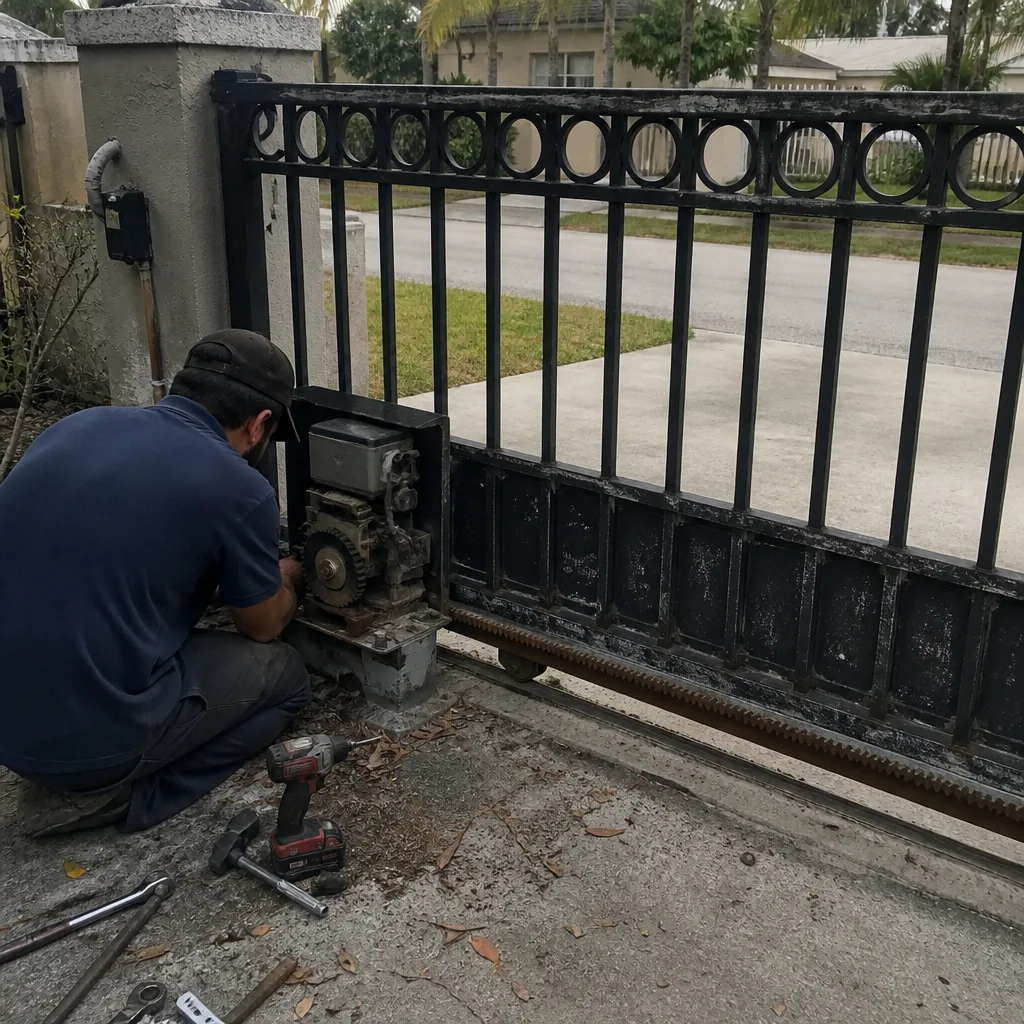 Before
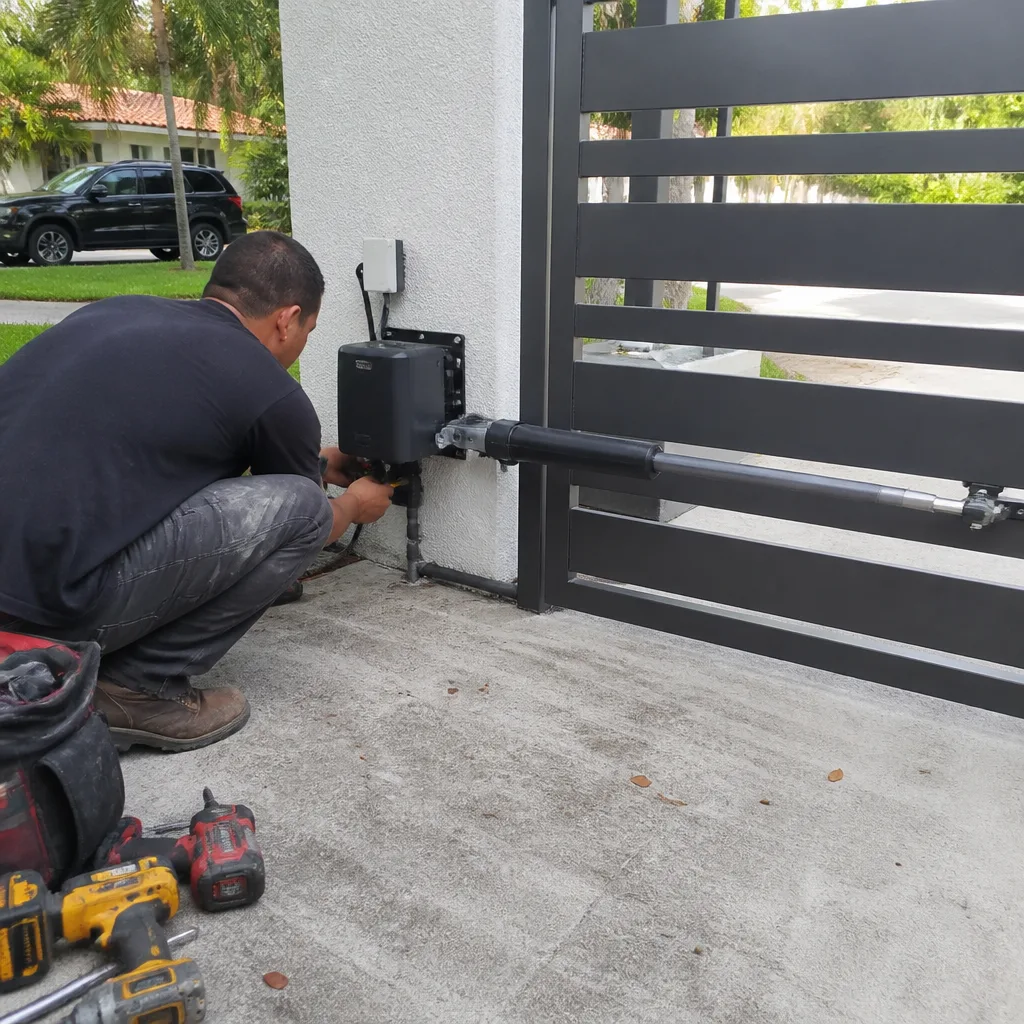 After
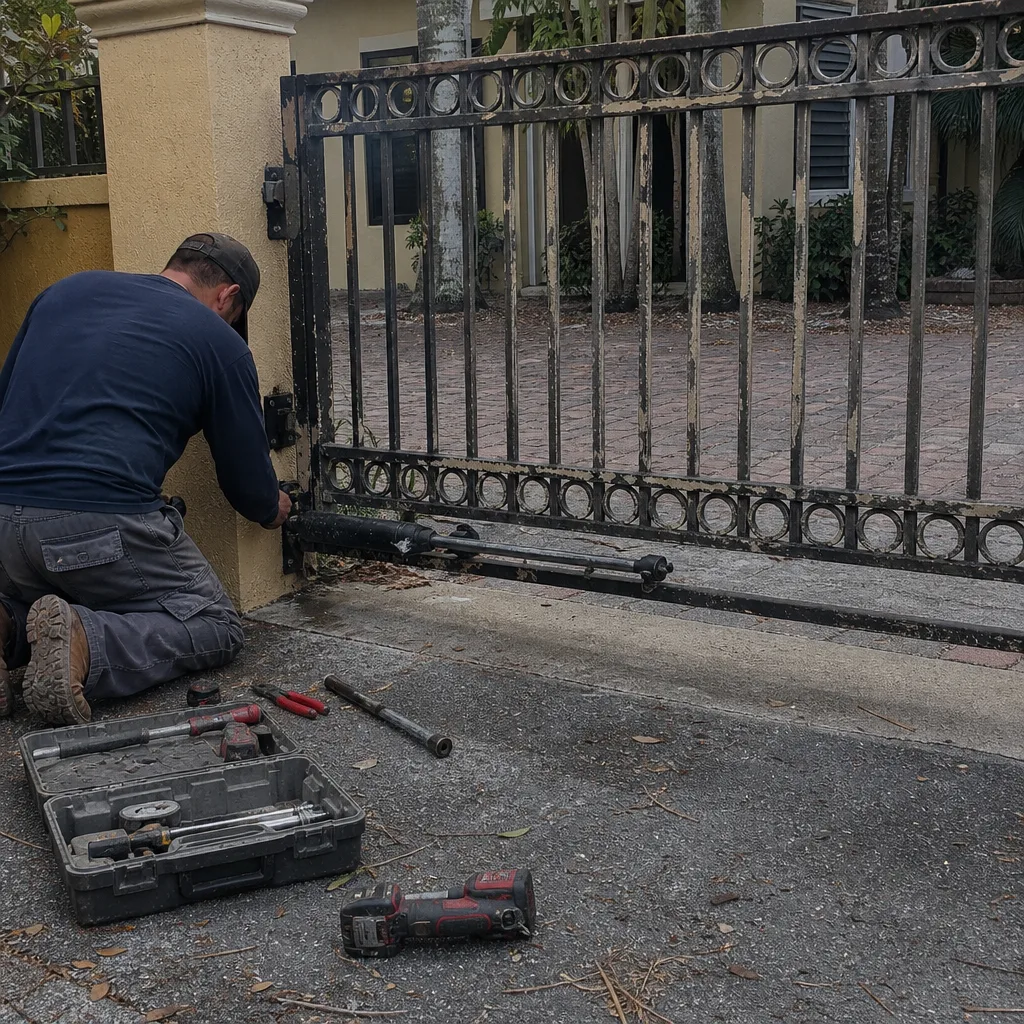 Before
 After
 Before
 After