
Last updated October 31, 2026
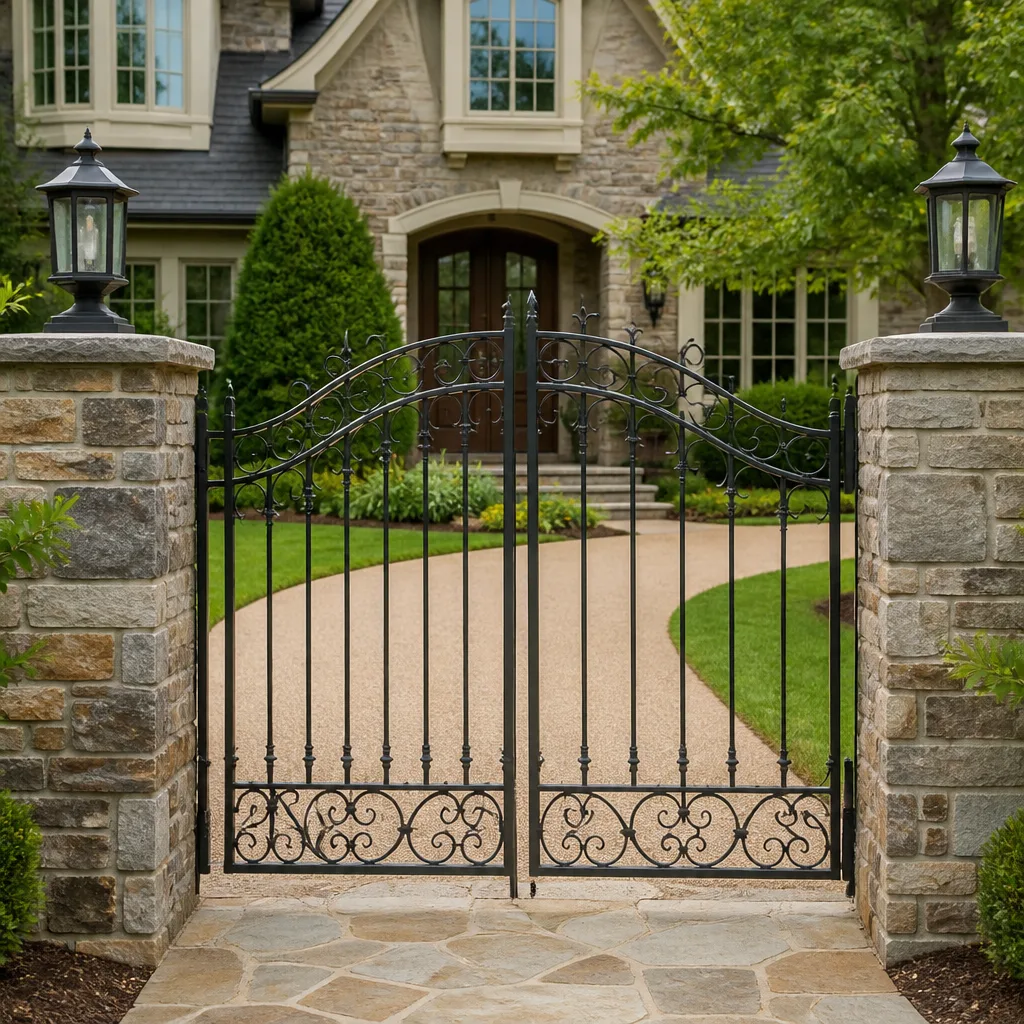 Wrought iron
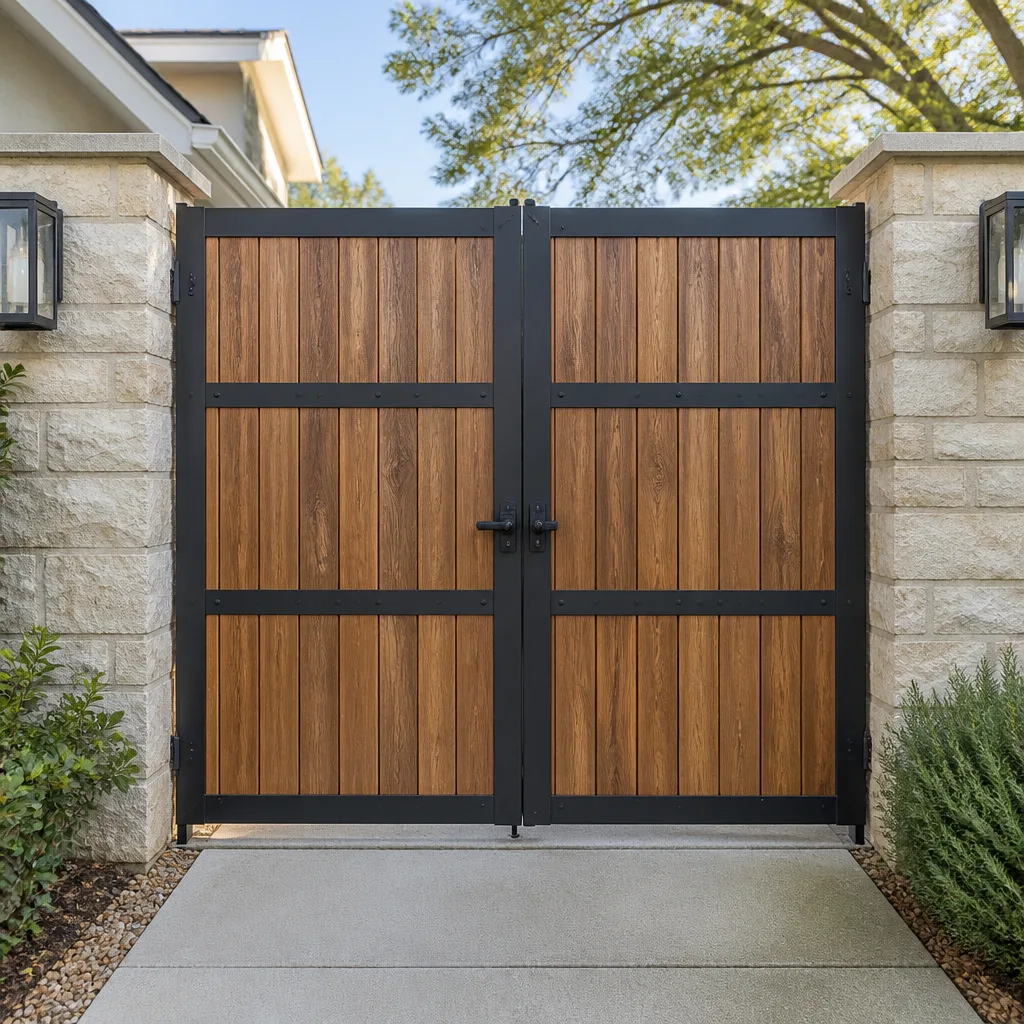 Wood & steel frame
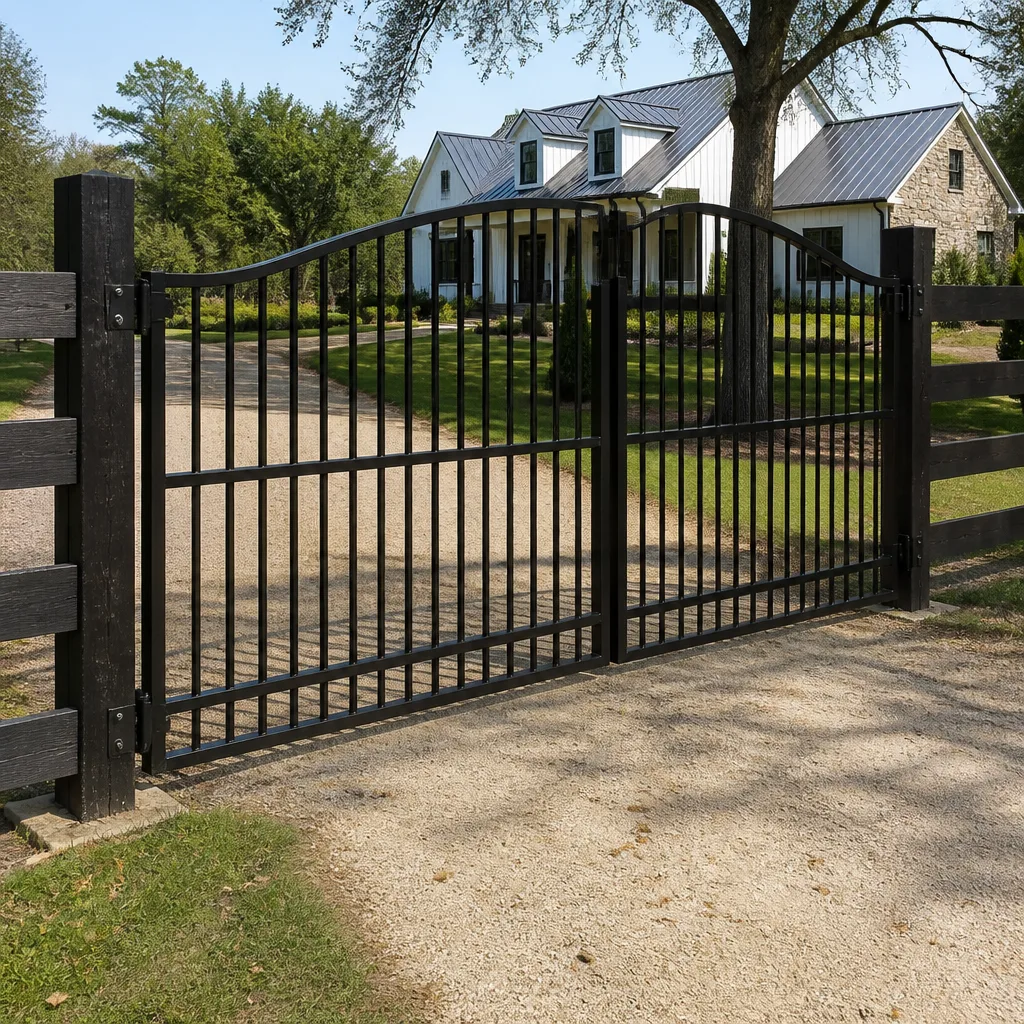 Farm & ranch
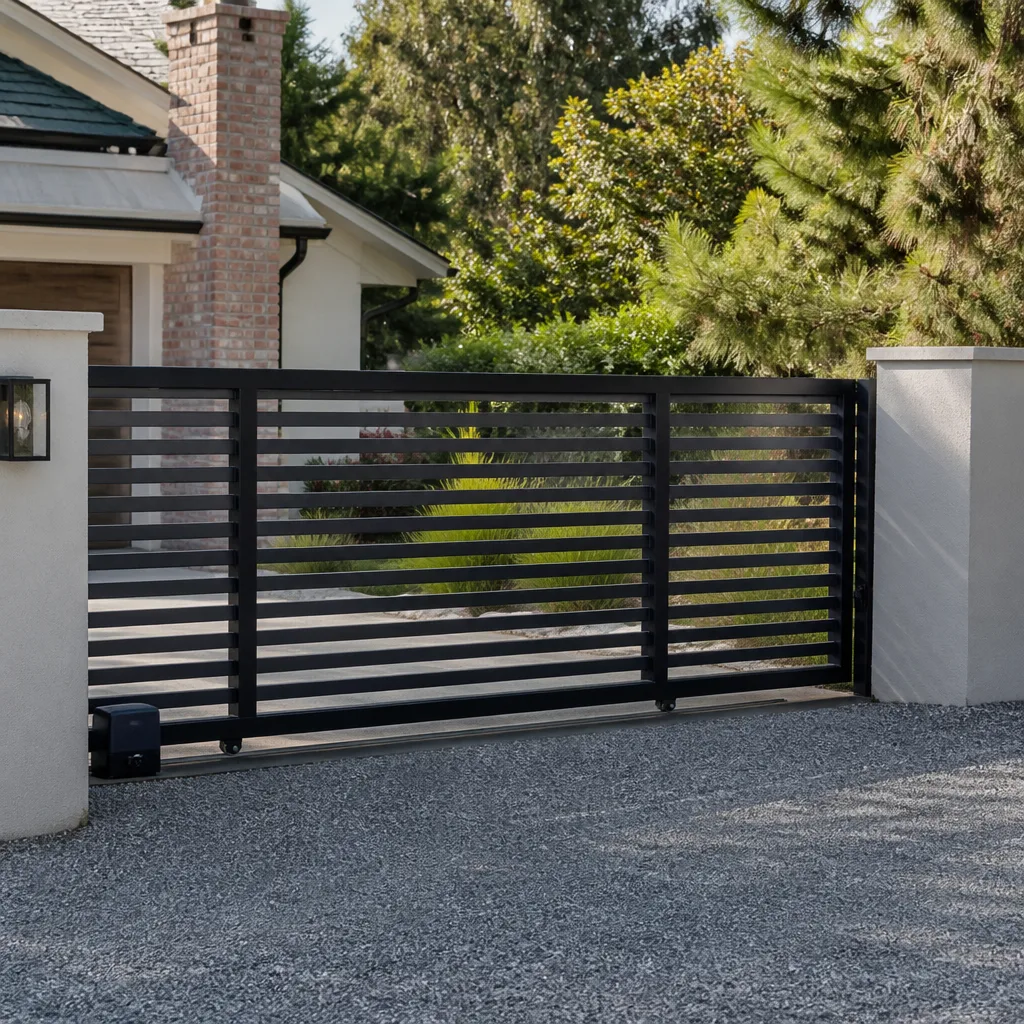 Sliding driveway gates
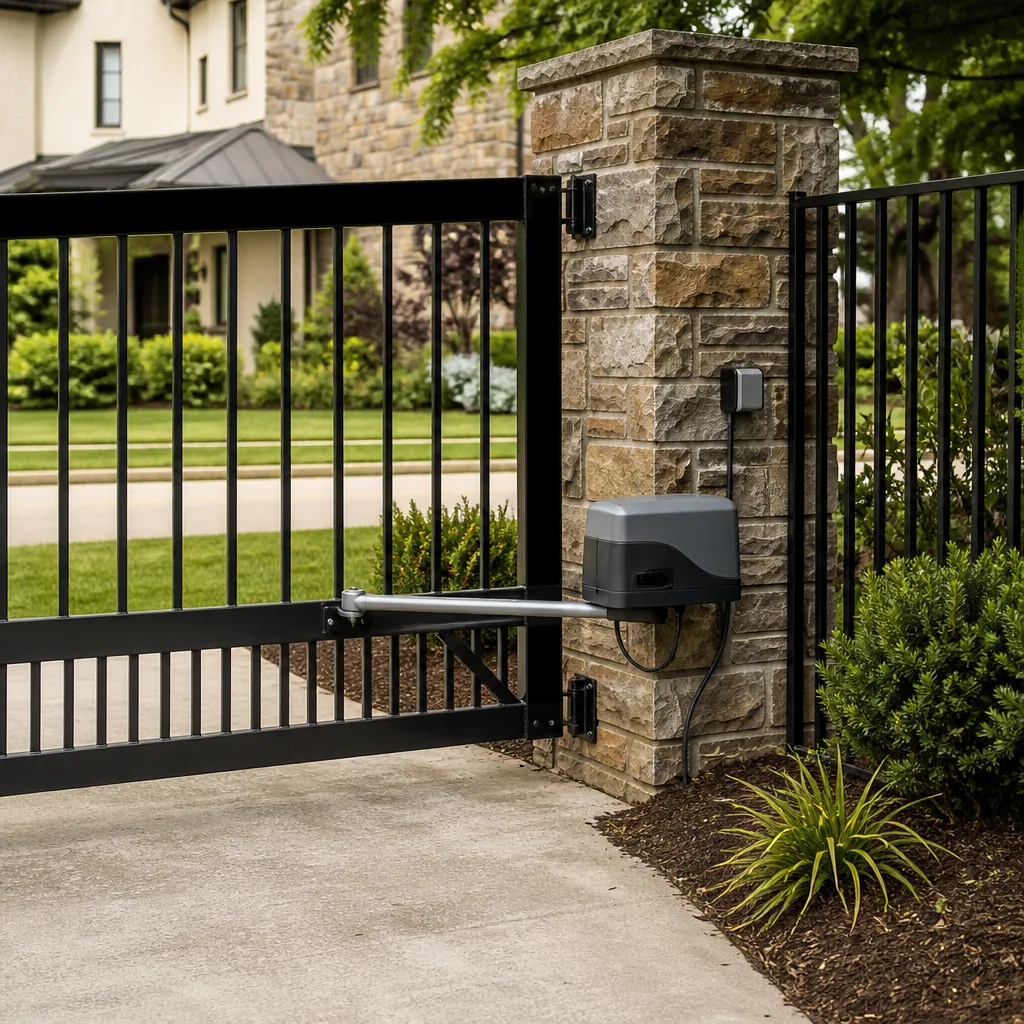 LiftMaster operators
Free on-site gate assessment - hinges, posts, and your LiftMaster or Nice gate operator checked before anything is quoted
The assessment is free and the quote is the invoice.
Get your free estimateHow to Hire a Gate Repair Contractor in Miami: A Step-by-Step Guide
Search “gate repair Miami” and you’ll get pages of results, but look closer: most of them are fencing companies that also happen to fix gates on the side. That’s the first thing to understand before you hire anyone. We’ve spent our entire working lives on automatic and manual gate systems across Miami, and the most expensive repair we see isn’t the broken motor or the snapped hinge. It’s the second repair, the one needed because the first contractor didn’t actually understand gate mechanics. Our Gate Repair guide exists to keep you from paying that bill twice. You’ll learn exactly what separates a gate specialist from a generalist, the five questions that expose the difference, how Miami-Dade licensing actually works for this trade, and how to read a repair quote like a contractor would.
Quick Answer
Hiring a gate repair contractor in Miami comes down to verifying three things: they specialize exclusively in gates rather than fencing or general contracting, they stock parts and understand operator systems for your specific gate brand, and they diagnose the root cause before quoting a repair price. Ask the five screening questions below, confirm their Miami-Dade registration, and accept only written quotes with part numbers and a defined diagnostic process. A true gate specialist will answer those questions without hesitation; a generalist will start talking around them.
Styles & brands we work with
Table of Contents
- Why Fencing Companies and Gate Specialists Are Not the Same Trade
- What Miami-Dade and Florida Licensing Actually Cover for Gate Repair
- The Five Interview Questions That Separate Gate Specialists from Generalists
- Why the Diagnosis Matters More Than the Price
- How to Read a Gate Repair Quote for Red Flags
- What a Legitimate Gate Repair Warranty Looks Like in Writing
- Miami-Specific Factors That Affect Gate Systems
- Common Mistakes to Avoid
Why Fencing Companies and Gate Specialists Are Not the Same Trade
A fencing contractor builds perimeter barriers. A gate specialist understands operator systems, control boards, safety sensors, limit switches, gear ratios, and the structural load dynamics of a moving leaf that weighs anywhere from 200 to 2,000 pounds. These are two different skill sets, and Miami’s service market blurs them constantly.
Here’s what that blur costs you. A fencing company gets a call about a gate that won’t open. They send a crew that’s comfortable with posts, rails, and pickets. The crew sees a chain or a hinge and replaces it, but the actual fault was a failing control board that was straining the motor and snapping the chain. Three months later, the new chain breaks again because the root cause was never addressed. You paid for a repair that treated a symptom.
We’ve seen this pattern across gate repair in Miami more times than we can count. The contractor wasn’t dishonest. They were just operating outside their core competency. Gate systems, especially electric and automated ones, combine mechanical engineering with low-voltage electronics. A specialist has diagnostic tools for both. A generalist has a truck full of fencing supplies and a multimeter they rarely use.
The distinction matters even more with automated gates. Electric gate systems involve circuit boards, photo-eye sensors, loop detectors buried in the driveway, receiver modules, and motors with specific torque ratings. Diagnosing a fault in any of those components requires knowing how they interact. If the person you hire has never opened a DoorKing control panel or doesn’t know what a Ghost Controls limit switch looks like, they’re learning on your gate, and you’re paying for the education.
So rule one: ask directly whether gate repair is the contractor’s primary trade or a side service. A specialist answers in one word. A generalist says “we do everything,” which is exactly the problem.
What Miami-Dade and Florida Licensing Actually Cover for Gate Repair
Florida’s contractor licensing system doesn’t have a dedicated “gate repair” license. That’s the first thing to understand, because it creates confusion that some contractors exploit. Gate work typically falls under one of several broader categories depending on the scope, and Miami-Dade County adds its own layer of requirements on top of state rules.
At the state level, gate repair and installation often fall under a Certified General Contractor, Certified Building Contractor, or a specialty contractor classification. Electrical work on automated gate operators may require an electrical contractor’s license or a specialty electrical classification, depending on how the power is run and connected. What this means in practice: a contractor might hold a valid Florida license that technically permits gate work, without having any meaningful gate-specific experience. The license proves they passed a state exam. It does not prove they can diagnose a Viking operator fault.
Miami-Dade County adds registration requirements that go beyond state licensure. Contractors performing work in the county must typically register with the Miami-Dade County Construction Trades Qualifying Board or hold a county-issued Certificate of Competency for their trade category. This is a local-level gate that a contractor must pass through before pulling permits or performing regulated work in Miami. Always ask a contractor to confirm they are registered to work in Miami-Dade specifically. State license alone does not always satisfy local requirements.
Here’s the practical checklist:
- Ask for their state license number and verify it on the Florida DBPR website. This takes two minutes and confirms the license exists and is active.
- Ask about Miami-Dade registration specifically. A contractor who works in Broward or Palm Beach may not be set up for Miami-Dade work.
- Ask whether they pull permits when required. Some gate repairs are purely mechanical and don’t need permits. New gate installations, structural modifications, or significant electrical work often do. A contractor who never mentions permits for permitted work is a red flag.
- Verify insurance. Reputable gate contractors carry general liability insurance and workers’ compensation. Ask to see the certificate. It protects you if a technician is injured on your Miami property or if the repair damages your gate further.
The point isn’t to become a licensing expert overnight. It’s to recognize that “licensed” is a floor, not a credential proving gate competence. Licensing verifies the contractor is legal. The interview questions in the next section verify they’re actually qualified for your specific gate.
The Five Interview Questions That Separate Gate Specialists from Generalists
You can learn more about a contractor in a five-minute phone call than from a hundred online reviews. Specific questions expose specific knowledge. Generalists deflect. Specialists answer instantly. Here are the five questions we recommend every Miami property owner ask before hiring anyone to touch a gate.
- “Which gate operator brands do you stock parts for?” This is the single most revealing question. A gate specialist can name manufacturers immediately because they stock them. A generalist says something like “we can get any brand.” Press harder: “Which brands are on your truck right now?” If they can’t name at least two or three specific operator manufacturers, they’re not a gate specialist. We service Elite, DoorKing, Viking, Ghost Controls, and others because those are the brands Miami property owners actually have. A contractor who recognizes those names without pausing is telling you something real.
- “How do you diagnose a control board fault versus a motor failure?” This question separates electric gate specialists from mechanical-only contractors. A real specialist will describe a diagnostic process: checking input power to the board, testing output signals to the motor, looking for LED error codes on the board, and testing continuity through limit switches. A generalist will say something vague like “we check everything” or “we replace parts until it works.” The first answer saves you from paying for a motor replacement when the board was the actual problem.
- “What’s your diagnostic process before you give a quote?” The answer should include specific steps: visual inspection of the gate structure, testing the operator system, checking safety sensor alignment, measuring the gate’s travel and force settings. If the contractor quotes a repair price over the phone without seeing the gate, that’s not efficiency. That’s guessing. A gate specialist diagnoses first, then prices.
- “What safety systems do you test after a repair?” This is about more than convenience. Electric gate operators in Miami are required to have functioning safety devices: photo-eye sensors, reverse mechanisms, and audible alarms in commercial settings. A specialist tests these as part of every repair because a gate that crushes a child or a car is a liability nightmare. A generalist might not even know what the safety edge looks like. If the contractor stumbles on this question, end the call.
- “Can you work on both mechanical and electric gate systems?” Some contractors only do manual gates: hinges, rollers, track alignment, chain-link repairs. That’s fine if you have a manual gate, but if you have an automated driveway gate with a Ghost Controls or DoorKing operator, a mechanical-only contractor can’t properly diagnose electrical faults. The specialist answers yes to both because gate systems are integrated: the mechanics affect the electronics and vice versa.
Ask all five questions. Tally the answers. If a contractor hesitates on two or more, move on. The Miami market has enough gate-specific options that you don’t need to settle for a generalist.
Why the Diagnosis Matters More Than the Price
The conventional advice is to get three quotes before hiring a contractor. That works for painting or pressure washing, where the scope is visible and comparable. Gate repair is different. The price is only meaningful if the diagnosis behind it is correct, and three different diagnoses mean three prices that can’t be compared at all.
Here’s an example from our files. A Miami homeowner called because their electric driveway gate was stopping halfway and reversing. Quote one from a fencing company: replace the whole gate frame, $3,200. Quote two from a general handyman: replace the motor, $1,400. The actual problem: a misaligned photo-eye sensor that was triggering the safety reverse. The repair took forty minutes and cost a few hundred dollars. The first two quotes weren’t cheaper or more expensive versions of the same fix. They were wrong fixes that happened to include a price.
So instead of gathering three prices, gather one solid diagnosis. Here’s how to evaluate what a contractor tells you:
- A real diagnosis explains the root cause, not just the symptom. “Your gate won’t open because the motor is burned out” is a symptom description. “Your gate won’t open because the limit switch failed, the motor kept running against the stop, and the windings burned out from the strain” is a diagnosis. The first means paying for a motor replacement. The second means fixing the switch too, so the new motor doesn’t burn out the same way.
- A real diagnosis includes test findings. Ask what they tested and what the results were. “I checked voltage at the board and it’s dead” or “the capacitor is swollen and leaking” are test findings. “It’s old and needs replacing” is not a test finding. It’s an opinion about age.
- A real diagnosis explains the repair sequence. The contractor should tell you what they’ll fix first, why, and what could still be wrong after. Gate systems fail in chains: a bad capacitor takes out a limit switch, a stuck limit switch strains the motor, a burned motor trips a breaker. A specialist describes the sequence. A generalist offers one part replacement and hopes for the best.
The correct process is to find one contractor who passes the five questions and can articulate a clear diagnosis. Get a second opinion only if the diagnosis seems thin or you have a bad feeling about the contractor. But three competing quotes with three different theories are worse than one good diagnosis from a specialist who will be accountable for the result.
At Daystar Gate Repair, we walk every Miami customer through our diagnostic findings before quoting anything. You’ll know exactly what we tested, what we found, and what the repair sequence looks like. That’s how electric gate repair in Miami should work, and it’s the standard you should hold every contractor to.
How to Read a Gate Repair Quote for Red Flags
A gate repair quote is a written diagnosis with prices attached. If it’s just prices, it’s not a quote. It’s a guess. Here’s what separates a legitimate, professional quote from the kind that turns a $400 repair into a $4,000 invoice.
Red Flag #1: No Part Numbers
A legitimate quote names the exact part being replaced. Not “gate motor” but “DoorKing 1601-010 control board” or “Viking F-1 receiver.” Part numbers tell you three things: the contractor knows your specific system, the part actually exists, and the price can be verified against market rates. “Gate parts” as a line item is meaningless. Ask for part numbers before signing anything.
Red Flag #2: Vague Line Items
“Labor to repair gate: $800” is not a quote. It’s a number with no definition. A professional quote breaks out diagnostic labor, specific repair labor, the parts themselves, and any additional fees. If the contractor can’t itemize what the labor is for, they’re either hiding margin or they don’t know what the repair involves. Either way, you’re the one absorbing the risk.
Red Flag #3: “Flat Rate” Pricing That Ignores Diagnostics
Some contractors advertise flat-rate pricing for gate repairs, and it sounds appealing: one price, no surprises. But flat-rate pricing only works for repetitive jobs with predictable scopes. Gate failures are not repetitive. A broken hinge and a failed control board are completely different repairs with completely different parts and labor. A flat rate that covers both means you’re either overpaying for the simple repair or the contractor is going to “discover” additional charges once they’re on-site. A professional quote includes a diagnostic fee that’s credited toward the repair if you proceed. This covers the contractor’s time and gives you a definitive answer about your gate’s condition.
Red Flag #4: No Timeline or Completion Date
“We’ll get to it soon” is not a schedule. A legitimate quote states when the work starts and how long it takes. Gate repairs in Miami often happen on short notice because a stuck-open gate is a security exposure for the entire property. A contractor who can’t commit to a timeline isn’t treating your gate as a priority.
Red Flag #5: The Price Can Change Without Your Approval
Here’s a non-negotiable for any gate repair: the price quoted and agreed before work starts is the price you pay. Changes happen, but they must be communicated, explained, and approved by you before additional work proceeds. A contractor who presents a higher invoice at the end without a documented conversation about scope change is not someone you want on your property. Ask this directly: “Is the quoted price the final price, or can it change?” The answer tells you everything.
A Word on the Cheapest Quote
You’ll find gate repair quotes in Miami that seem too low to be real. Sometimes they are: the contractor plans to substitute a generic part for a brand-specific one, or they’re quoting the mechanical repair and ignoring the electrical fault, or they simply don’t know what the job involves and they’ll pad the invoice on the back end. Price is a real factor. But on gate repair, the cheapest quote is usually the most expensive one when you add up the cost of doing it twice.
What a Legitimate Gate Repair Warranty Looks Like in Writing
A warranty is only as good as the language it’s written in. Oral promises are worthless. A “we’ll take care of you” is comforting and means nothing. Here’s what to look for in a written gate repair warranty, and what should make you put the contract down.
What a Good Warranty Includes
- Specific coverage periods for parts and labor. Parts typically carry a manufacturer warranty, often one to three years depending on the component. Labor warranty is separate and shorter, commonly thirty to ninety days. The warranty should state both periods explicitly.
- Coverage of the diagnosed failure, not just the replaced part. If the contractor replaced a motor because a control board fault burned it out, and the board fails three weeks later, the warranty should cover the related failure if it’s connected to the original repair. A specialist defines this in writing. A generalist doesn’t think that far ahead.
- Clear procedures for making a claim. How do you contact the contractor? What’s their response timeline? Does the warranty cover labor only, or labor and parts? The answers should be in the written warranty, not discovered later.
- The contractor’s name, license information, and signature. A warranty from an anonymous handyman is a piece of paper. A warranty from a registered Miami-Dade contractor is enforceable.
Language to Avoid
- “Lifetime warranty” without specifics. Lifetime of what? The part? The gate? The contractor’s interest in returning your calls? “Lifetime” is a marketing word. If it’s not defined, it’s not a warranty.
- “Warranty void if any other contractor touches the gate.” This is overly restrictive and often a way to lock you into one provider. Legitimate warranties stay valid as long as the original repair wasn’t compromised by someone else’s incorrect work.
- Any warranty that excludes the root cause. “This warranty covers the motor, but not the control board, limit switches, sensors, or wiring.” That’s not a warranty. That’s an exclusion list that covers everything except the part least likely to fail again.
Ask for a sample warranty before you hire. A contractor who won’t provide one, or who gets defensive about the request, is telling you how the relationship will go once the check clears. Daystar Gate Repair puts the warranty terms in writing before any work begins, because that’s the only way a warranty means anything. For more guides & resources, visit our blog.
Miami-Specific Factors That Affect Gate Systems
Every market has gate problems, but Miami has Miami problems. The combination of salt air, high humidity, intense rain, and hurricane-force winds creates failure patterns that a contractor from out of town simply won’t recognize. This is why hiring a Miami-based gate specialist matters more than the average homeowner realizes.
Salt corrosion. If your property is anywhere near Biscayne Bay, the beach, or any coastal waterway, your gate’s metal components are corroding faster than inland gates. Hinges rust, motors develop internal corrosion, control board connections oxidize. A Miami gate specialist checks for corrosion before it causes a failure, and recommends marine-grade components where appropriate. A fencing contractor from West Palm Beach might not think about it until the hinge snaps.
Humidity and electronics. Control boards don’t love moisture. Miami’s ambient humidity averages above seventy percent year-round, and that takes a toll on circuit boards, wiring connections, and sensor housings. We regularly see control board failures in Miami that trace back to moisture intrusion through improperly sealed enclosures. The fix isn’t just replacing the board. It’s sealing the enclosure properly so the next board doesn’t die the same way.
Lightning and power surges. South Florida is the lightning capital of the United States. Storm season brings electrical surges that fry gates’ circuit boards and power supplies. A specialist installs surge protection on electric gate systems as a standard practice because they know the local threat model. A generalist waits for the board to die and sells a replacement.
Hurricane-season wind loads. A gate designed for a calm climate can’t survive a Category 3 wind load. Gates in Miami need adequate bracing, proper hinge sizing, and for automated gates, operators with enough torque to handle wind resistance. If your gate survived a storm but the operator is now struggling, the wind likely bent something slightly, putting the whole system out of alignment.
None of these factors show up in a generic “hire a contractor” guide. But in Miami, they’re the difference between a gate that lasts fifteen years and one that needs annual repairs. When you hire, ask the contractor directly: “What do you see most often on Miami gates, and what do you do about it?” The quality of that answer tells you more than any review.
Common Mistakes to Avoid
- Hiring the cheapest quote without reading what’s in it. A low price with vague line items and no part numbers almost always ends up costing more than the higher quote. Cheap estimates on gate repair are often structurally incomplete estimates, not better deals.
- Accepting a diagnosis over the phone. No legitimate gate specialist diagnoses a control board fault without seeing the gate. Phone estimates are price guesses. If a contractor won’t come look before quoting, that’s your answer.
- Skipping the part number question. If you don’t ask which parts they’re installing, you’re consenting to whatever they decide to put on your gate. Generic parts on a DoorKing or Elite operator shorten its lifespan and void manufacturer warranties.
- Treating gate repair and fence repair as the same service. They’re not. Fencing contractors do valuable work, but gate operator diagnostics, control board repair, and safety sensor calibration are not fencing work. Hiring a fencer for an electric gate fault is like hiring a roofer to fix your HVAC.
- Ignoring the safety system. A gate that opens and closes but whose safety reverse is disabled is a catastrophe waiting for a car or a child. Never accept a repair that restores function but skips safety testing. Ask specifically whether the photo-eyes and reverse mechanism were tested.
- Not asking about Miami-Dade registration. State licensure is necessary but sometimes not sufficient in Miami. Confirm the contractor is registered to work in Miami-Dade County before you sign anything.
- Paying the full amount upfront. A deposit for parts is normal, especially on larger repairs. Paying the entire invoice before work is complete is not. Reputable contractors bill on completion and back their work with a written warranty.
See the difference
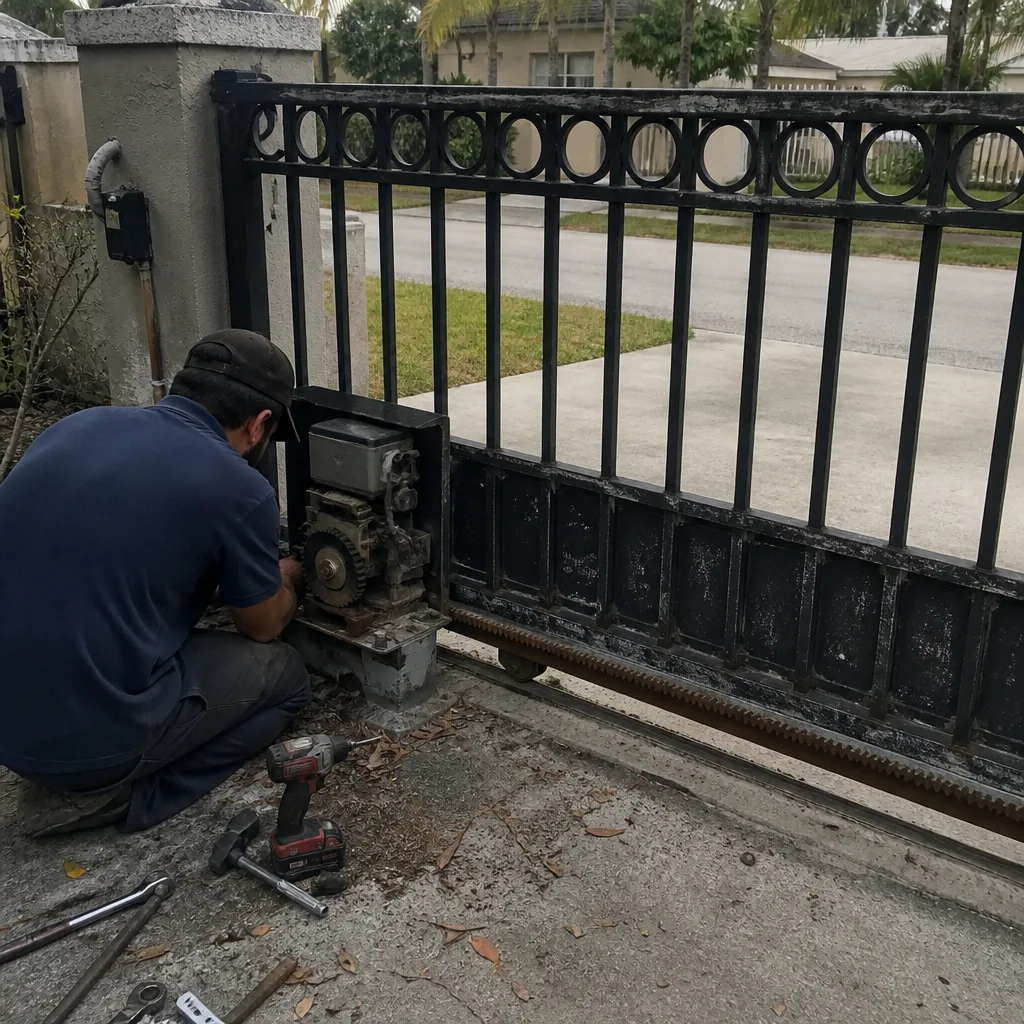 Before
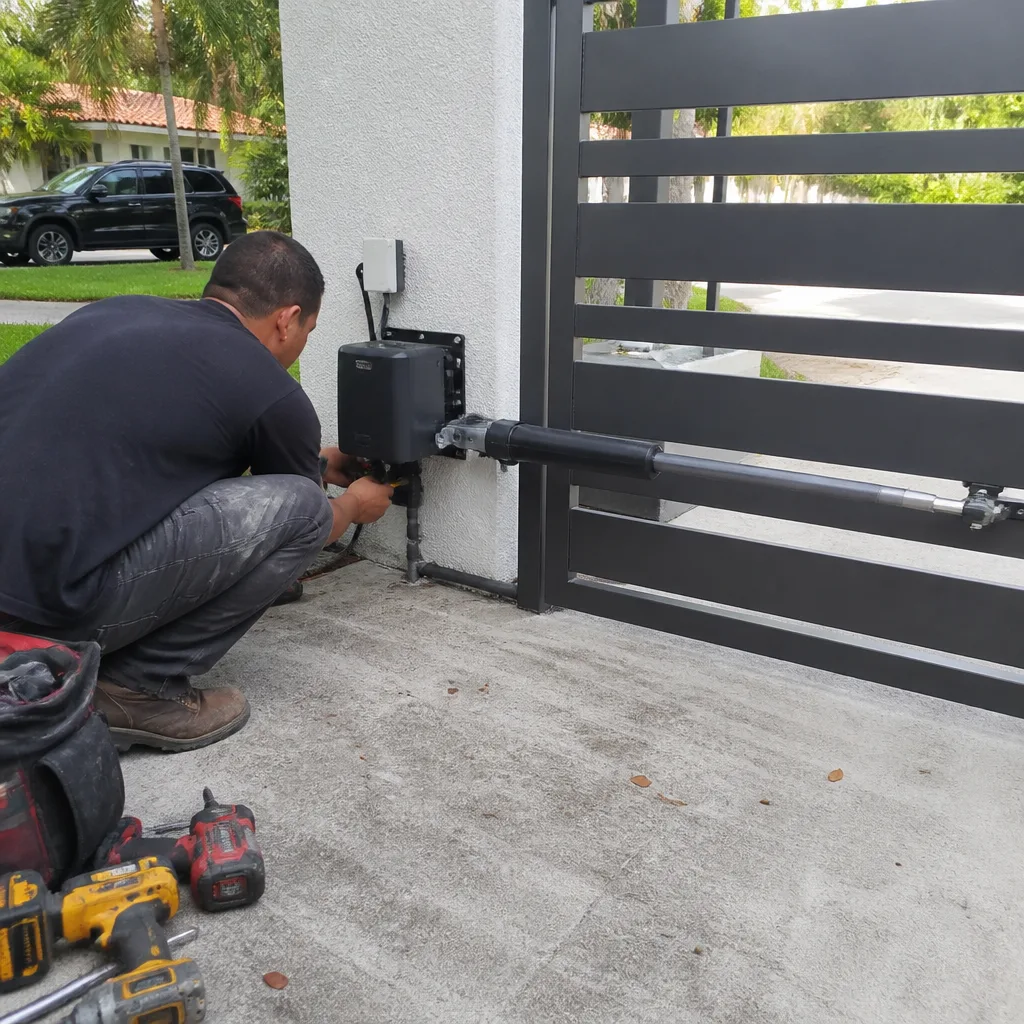 After
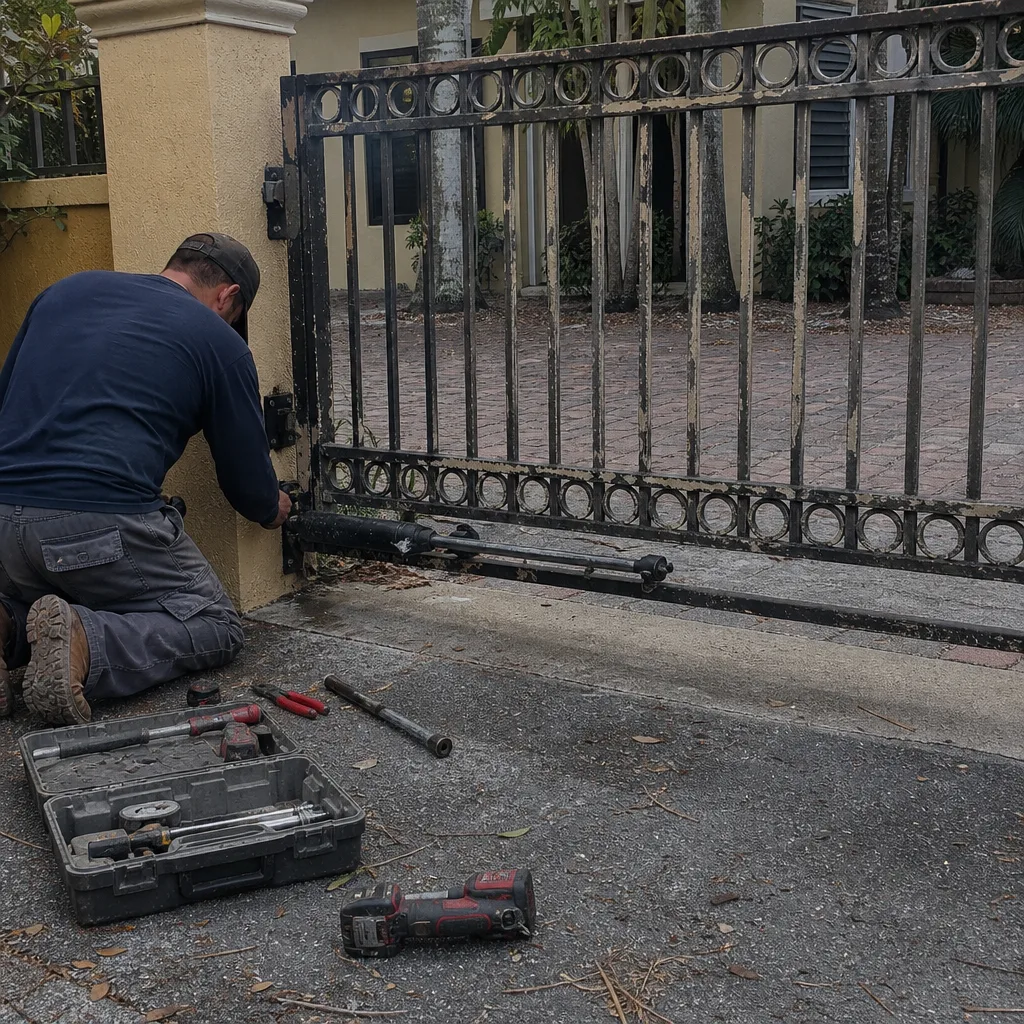 Before
 After
 Before
 After
When to Call a Professional
A gate that makes a new noise, slows down, or starts stopping mid-travel is telling you something. Listen to it. Some gate issues can be addressed with a visual inspection, but any of the following means it’s time to bring in a gate specialist: the gate is stuck open or closed and can’t be moved manually; the electric operator runs but the gate doesn’t move, indicating a broken gear or chain; you hear grinding, screeching, or clicking from the motor; the gate reverses unexpectedly mid-cycle, which usually means a failing safety sensor; or the control board shows error codes you don’t understand. Electrical work on gate operators involves live voltage and should always be left to a trained technician. Daystar Gate Repair offers free estimates in Miami. Call (855) 752-6802 and we’ll walk you through what’s happening with your gate before a technician ever arrives.
Frequently Asked Questions
Gate repair in Miami typically ranges from $200 to $400 for mechanical repairs like hinge replacement or track alignment, and $400 to $1,500 for electric and automated gate repairs like motor replacement, control board issues, or sensor failures. Complete operator replacement can run higher depending on the brand and system type. The only way to get an accurate number is a diagnostic visit, because two gates with the same symptom can have completely different failure causes. Call (855) 752-6802 for a free estimate on your specific gate.
Most repairs that replace existing components like hinges, motors, control boards, or sensors don’t require permits in Miami, because they’re considered maintenance rather than new construction. New gate installations, structural modifications, or significant electrical work often do require permits through Miami-Dade County. A reputable gate contractor will tell you whether your specific job needs a permit before work begins.
Most mechanical repairs like hinge or roller replacement are completed the same day, typically in one to three hours depending on gate size and access. Electric gate repairs like control board replacement or motor installation usually take two to four hours if parts are on the truck. If a specific brand component needs to be ordered, the repair may extend to a few days. A specialist who stocks parts for brands like DoorKing, Elite, Viking, and Ghost Controls will often finish the same day.
You can visually inspect a gate and perform basic maintenance like clearing debris from the track, but electrical repairs on gate operators are not DIY work. Gate operators involve high-voltage connections, stored energy in capacitors, and safety systems that protect people and vehicles from the gate’s weight and force. A mistake can cause serious injury or create a gate that fails dangerously when you least expect it. For anything involving the motor, control board, sensors, or wiring, hire a trained gate technician.
Daystar Gate Repair services nine gate operator brands including LiftMaster, FAAC, BFT, Linear, Viking, Ghost Controls, DoorKing, Elite, and Mighty Mule. That covers everything from entry-level residential units to commercial-grade systems. The advantage of a specialist with brand-specific familiarity is faster diagnosis and the right part on the first visit, instead of a contractor ordering parts and hoping. Read our Choosing the Right Gate Repair Brand: A Buyer’s Guide for Miami to learn more.
The decision depends on the gate’s structural condition and the operator’s age. If the gate frame, posts, and hinges are in good shape, repairing a failed motor or control board almost always makes more sense than replacing the whole system. If the gate itself is severely corroded, warped, or the operator was discontinued years ago and parts are unavailable, replacement may be the better investment. A gate specialist can evaluate both the mechanical and electrical condition and give you an honest recommendation, including gate installation options in Miami if replacement is the right call.
The Bottom Line
Miami’s gate repair market is full of contractors who will take your money and guess. The filtering process isn’t complicated: ask the five questions, verify the license and Miami-Dade registration, demand a written quote with part numbers, and read the warranty before signing. Look for a specialist who talks about root causes, not symptoms. A gate specialist who works exclusively on gates, stocks parts for the brands Miami properties actually use, and explains the diagnosis before quoting a price is worth more than three cheap estimates from generalists. Your gate protects your property, your privacy, and the people who enter every day. The person you hire should treat it with that level of seriousness. Whether you need emergency repair, electric gate repair, or a full new installation, check out Daystar Gate Repair’s home services to see if we’re the right fit for your situation.
Written by the team at Daystar Gate Repair, serving Miami since 2018.