
Last updated October 31, 2026
 Wrought iron
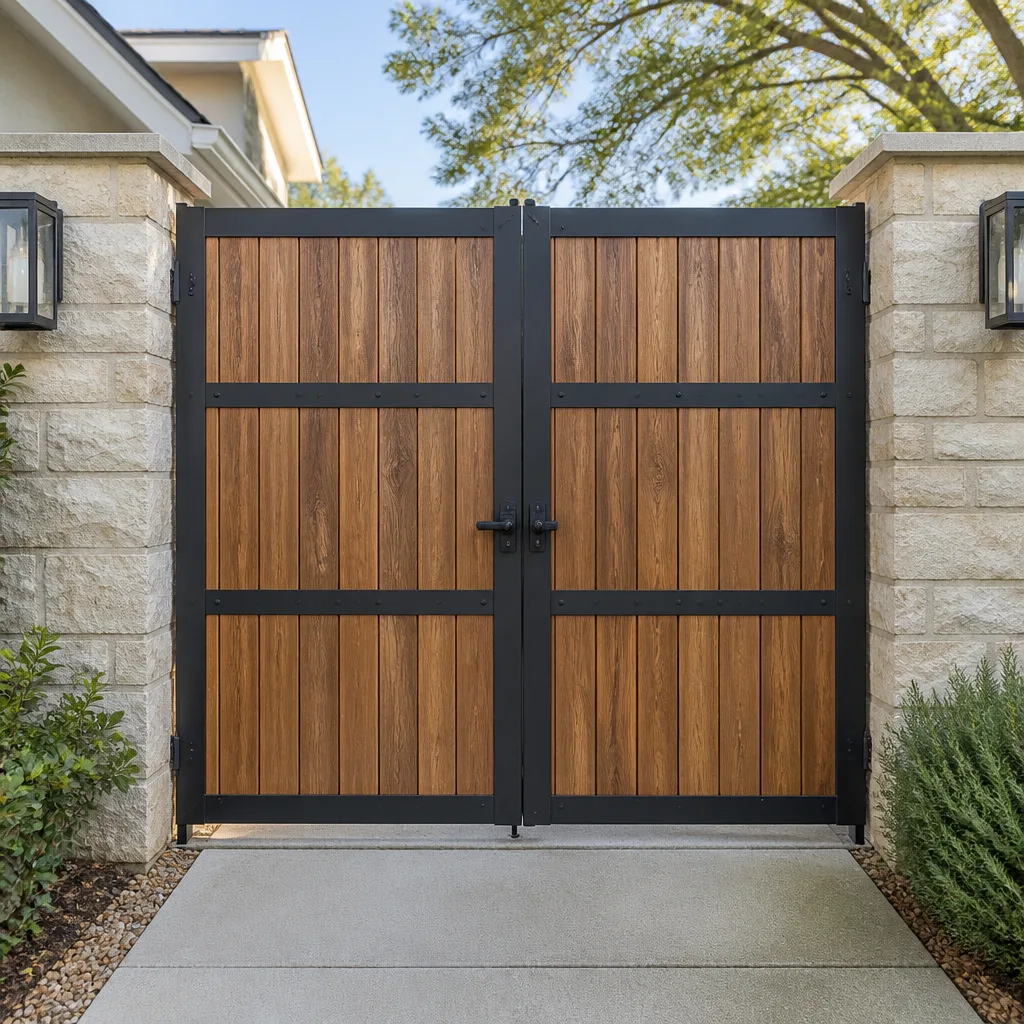 Wood & steel frame
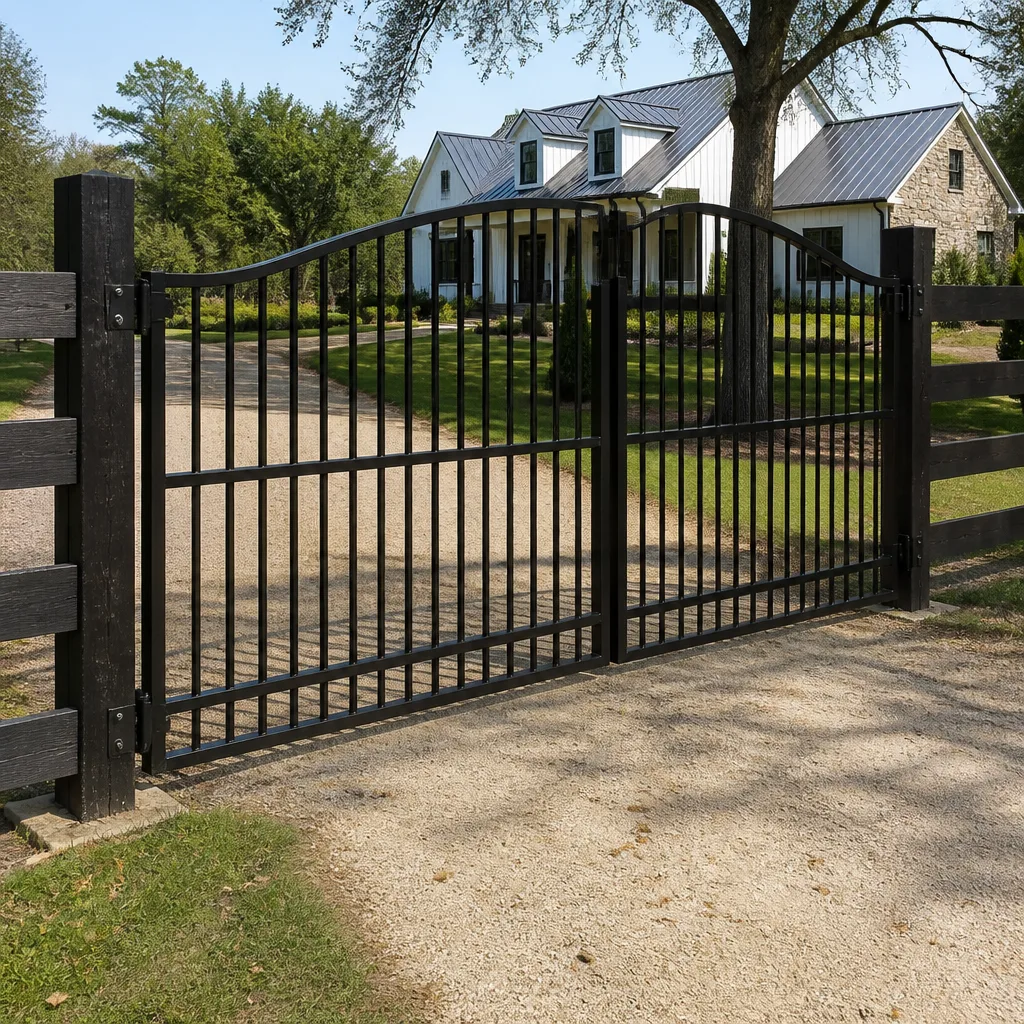 Farm & ranch
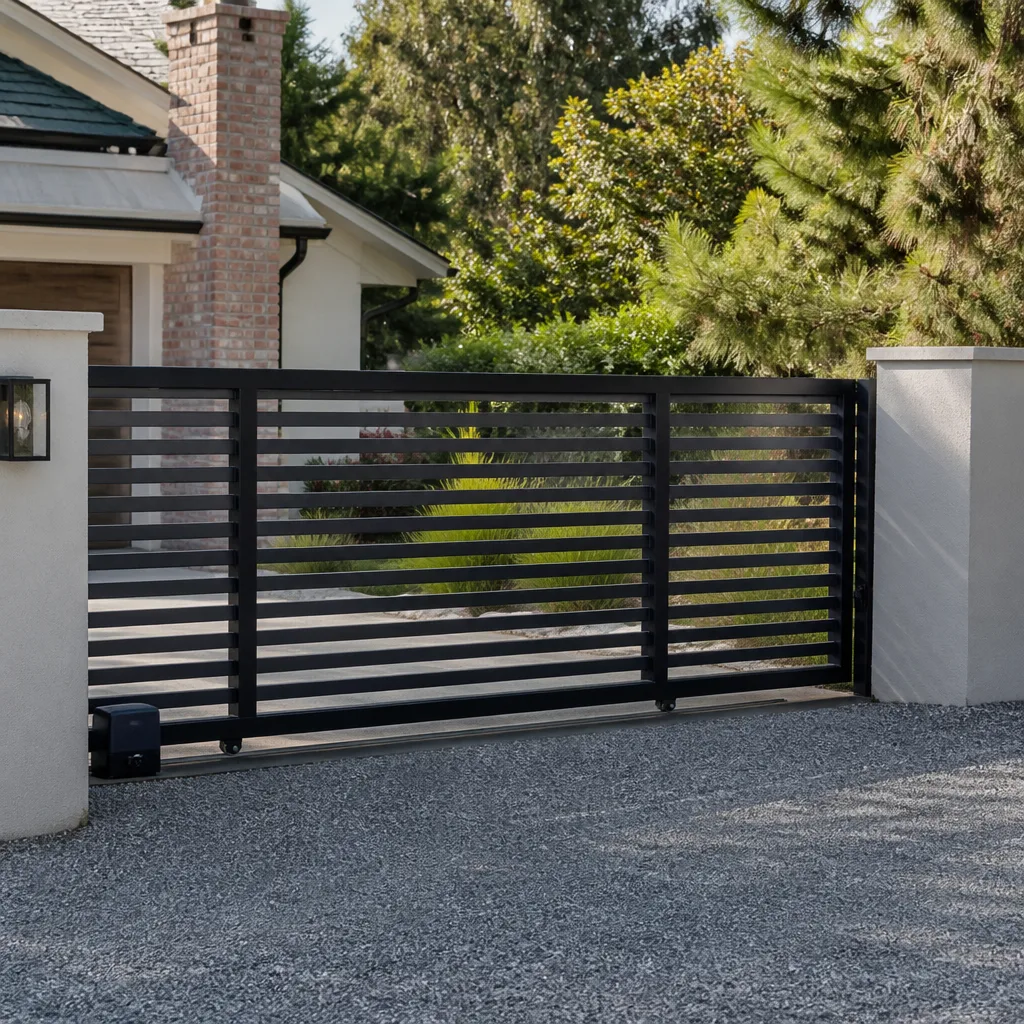 Sliding driveway gates
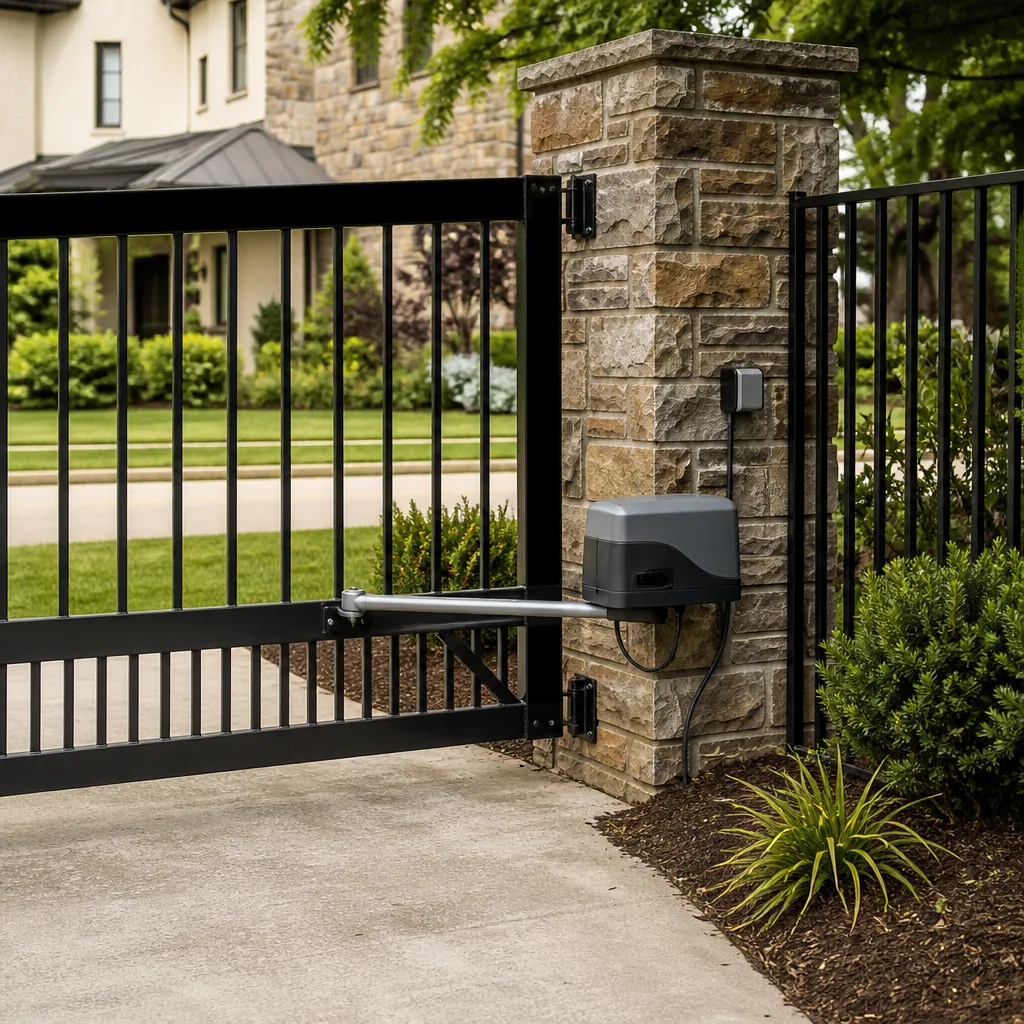 LiftMaster operators
Free on-site gate assessment - hinges, posts, and your LiftMaster or Nice gate operator checked before anything is quoted
The assessment is free and the quote is the invoice.
Get your free estimateGate Repair Permits, Codes & Inspections in FL: What You Need to Know
A Miami homeowner replaced a failed gate operator, paid a contractor in cash, and got a clean repair. Two years later, that homeowner lost $11,000 in a home sale negotiation when the buyer’s inspector flagged the unpermitted electrical work. In Miami-Dade County, the permit question matters more than most contractors will tell you upfront. This guide covers exactly which Gate Repair services and replacement tasks trigger permit requirements in Florida, how Miami-Dade’s High Velocity Hurricane Zone classification changes the rules, and what a permitted gate job looks like from start to finish.
Quick Answer
Most basic gate repairs in Florida, including motor swaps, sensor replacements, and hinge lubrication, do not require a permit. However, in Miami-Dade County, certain gate work crosses into permit territory: structural post replacement, new operator installation with new electrical circuits, and any gate exceeding specific height or weight thresholds. If you’re replacing a gate operator that requires a new dedicated circuit, or rebuilding posts and footings, assume a permit is required until proven otherwise. The cost of getting it wrong in Miami is measured not in permit fees but in flagged inspections, insurance denials, and stalled home sales. For Gate Repair Warning Signs: A Miami Homeowner’s Reference Guide, see our dedicated resource.
Styles & brands we work with
Table of Contents
- What Gate Repairs Are Exempt from Permits in Florida
- What Gate Work Requires a Permit in Miami-Dade
- How Miami-Dade’s High Velocity Hurricane Zone Changes Gate Codes
- The Inspection Process for Permitted Gate Work
- How Unpermitted Gate Work Affects Insurance and Home Sales
- How to Verify a Permit Was Actually Filed
- Common Mistakes to Avoid
- When to Call a Professional
What Gate Repairs Are Exempt from Permits in Florida
Florida’s Building Code draws a line between maintenance and modification. Most repair work that restores a gate to its original condition falls on the maintenance side of that line, and no permit is required. This matters because it means the majority of service calls we handle in Miami are legitimate permit-free repairs. The distinction is not about cost or complexity. It’s about whether the work alters the structure, electrical system, or safety characteristics of the gate installation.
Under the Florida Building Code and Miami-Dade County Code, these gate repairs are typically exempt from permit requirements:
- Electric motor or operator replacement: Swapping a failed LiftMaster or Viking motor for a compatible unit that plugs into the existing electrical connection is a repair, not a modification.
- Control board replacement: Replacing a burned circuit board on a BFT or Linear operator does not require a permit because the electrical characteristics remain unchanged.
- Sensor and safety edge replacement: Photo eyes, loop detectors, and reversing edges can be replaced as maintenance items, provided the gate’s safety system remains functionally equivalent.
- Hinge and roller servicing: Lubrication, hinge pin replacement, and roller bearing swaps are mechanical maintenance with no structural impact.
- Remote and receiver reprogramming: Programming a new transmitter for a Ghost Controls or Mighty Mule system is a user-level operation, not a permitted modification.
- Wheel and track adjustments on sliding gates: Realigning existing V-track or replacing worn wheels does not trigger permit review.
- Keypad and access control device replacement: Swapping a keypad, card reader, or intercom panel on an existing gate system is an accessory replacement.
The operative word in all of these is replacement. When a technician removes a failed component and installs a functionally identical new one without modifying the underlying structure, foundation, or electrical feed, the work stays in maintenance territory. Miami homeowners should still document the repair with a dated invoice that lists the replacement parts. That invoice is your proof of maintenance if a question ever arises during a sale or insurance review.
What Gate Work Requires a Permit in Miami-Dade
The permit line gets crossed when gate work modifies, extends, or creates something new. In Miami-Dade County, that line is drawn more conservatively than in most Florida counties because of the county’s unique building code enforcement structure. Here is what moves a gate job into permit territory:
1. Structural post replacement or new post installation. When gate posts come out of the ground for replacement, or new posts go in for a new gate, the footing excavation and concrete work falls under building permit jurisdiction. This is true even if the gate itself is reused. The post is a structural element, and Miami-Dade requires structural elements to be reviewed.
2. New operator installation requiring a new dedicated circuit. Installing an automatic gate operator where no operator existed before almost always requires an electrical permit. If the installation requires running a new circuit from the breaker panel, conduit work, or a new disconnect switch, that is new electrical work, not repair. This is the scenario where homeowners most often assume no permit is needed and are later surprised.
3. Gate modifications that exceed height, weight, or wind-load thresholds. A gate over 6 feet tall, over 300 pounds per leaf, or with solid panels that catch significant wind is treated differently under the Florida Building Code. Miami-Dade’s wind load requirements are the strictest in the state. Modifying a gate in a way that changes its wind resistance rating can trigger a structural review.
4. Automatic gate operator installation on any new or altered gate system. Even when the operator plugs into an existing outlet, if the gate itself is new construction, the entire assembly, gate plus operator, goes through permit review. The permit covers both the structure and the electrical safety features.
5. Any work that changes the gate’s swing direction, clearance, or safety zone. Converting a gate from inward-swinging to outward-swinging, or re-hanging a gate on new hinges that change its travel path, is a modification, not a repair. If the change affects pedestrian safety or vehicle sight lines, the building department wants to review it.
In Miami, the practical rule is this: if the job requires concrete work, new electrical runs, or changes the physical footprint of the gate system, ask for a permit. If it is a component-for-component replacement, document it and move on. For gate work anywhere in the county, Daystar Gate Repair home has a team that handles both permitted and permit-free jobs with the same documentation discipline.
How Miami-Dade’s High Velocity Hurricane Zone Changes Gate Codes
Miami-Dade and Broward Counties are the only two counties in Florida designated as a High Velocity Hurricane Zone, or HVHZ. That designation is not bureaucratic trivia. It changes the engineering requirements for almost everything attached to the ground in those counties, and gates are no exception. The HVHZ designation appears in the Florida Building Code as a separate chapter with its own structural and wind-load standards.
For gate owners, the HVHZ matters in three practical ways:
Structural post depth and footing requirements. In Miami, gate posts must be set deeper and anchored more substantially than in Orlando or Tampa. The county’s wind-load maps assume a 175 mph design wind speed in many areas, which puts enormous lateral pressure on gate leaves and their posts. A contractor pouring a 2-foot footing for a 7-foot gate in Miami is potentially creating a failure point. HVHZ standards dictate footing depth and diameter based on gate height, leaf width, and panel solidity. This is why post replacement work should not be treated as a casual handyman job.
Panel engineering and wind resistance. A solid-panel gate acts like a sail. In an HVHZ county, a gate with a large solid surface area may require engineering review to verify it can withstand wind loads without ripping posts out of the ground or tearing away from hinges. This is particularly relevant for Miami homeowners installing modern horizontal-slat gates, which are popular for privacy but present a larger wind profile than open-tube designs.
Operator and mounting hardware ratings. Automatic gate operators installed in Miami-Dade must be rated for outdoor use in high-wind environments. The mounting brackets, the post-securing bolts, and the operator housing all need to be specified for hurricane exposure. In our experience, a generic operator bolted to an under-sized post with standard hardware is the most common failure pattern we see after a major storm event in Miami.
This is where the permit process actually protects you. A Miami-Dade building department review of your gate plans means a second set of eyes confirming the post sizing, footing depth, and hardware selection meet HVHZ standards. That review is not a tax. It is a verification that your gate will still be standing after the next hurricane.
The Inspection Process for Permitted Gate Work
When gate work in Miami-Dade does require a permit, the process follows a predictable path. Understanding it before you start removes the intimidation factor and helps you choose the right contractor. Here is the typical sequence for a permitted automatic gate operator installation: one of the most common permit-required jobs in the county.
Step 1: Permit application and plan submission. The contractor or homeowner submits a permit application to the Miami-Dade County Building Department, typically online through the permitting portal. For structural gate work, the application includes a site plan showing the gate location, property lines, and distances from the street and sidewalk. For operator installations, the application includes the operator specifications and electrical plan.
Step 2: Plan review. A building department reviewer checks the submittal against Florida Building Code and HVHZ requirements. For simple residential gate permits, this review is often completed within days. For commercial gate systems or gates exceeding standard height and weight thresholds, the review may require a licensed engineer’s stamp on the structural calculations.
Step 3: Permit issuance. Once the plan is approved and fees are paid, the permit is issued. The fee for a residential gate permit in Miami-Dade typically runs in the few-hundred-dollar range, depending on job valuation, but varies significantly based on the scope. The permit is posted on site and must remain visible during the work.
Step 4: Scheduled inspections. Most gate permits require at least two inspections:
- Structural inspection: Conducted after posts are set and before concrete cures, to verify depth, diameter, and placement against the approved plan.
- Electrical inspection: Conducted after the operator and safety devices are installed, to verify circuit protection, grounding, and proper wiring methods.
- Final inspection: May include a functional test of the gate safety systems, including the reversing mechanism and photo eyes.
Step 5: Final approval and permit closure. After the last inspection passes, the permit is closed and the job becomes part of the property’s official permit history. This is the document trail that protects you later. Keep a copy of the final approval. It is the single most valuable piece of paper in a gate-related insurance claim or real estate transaction.
For Miami homeowners and property managers who want this process handled without guesswork, Gate Installation in Miami covers the full-scope service from permit drawings to final inspection.
How Unpermitted Gate Work Affects Insurance and Home Sales
The real cost of unpermitted gate work in Miami shows up years after the repair is complete. The homeowner in the opening scenario did not lose money because the gate failed. The gate worked fine. The problem was that unpermitted electrical work became a negotiating weapon during a home sale, and the seller had no documentation to defend against it. That scenario plays out in Miami real estate transactions more often than most property owners realize.
Here is how unpermitted gate work surfaces and what it costs:
Home inspections flag unpermitted modifications. Miami home inspectors are trained to look for evidence of recent electrical work: new conduit, fresh concrete around posts, updated operator housings. When they find it, they check the county permit database. If the work is not there, the inspection report notes “unpermitted electrical work observed” or similar language. That single sentence gives the buyer leverage to demand a credit, a price reduction, or a retroactive permit before closing.
Insurance claims get complicated. If a gate fails during a hurricane and the subsequent claim reveals the gate was installed or modified without permits, the insurer may question whether the installation met code. This does not automatically void a claim, but it can trigger a coverage investigation, delay payment, or reduce the settlement. For a property manager in Miami overseeing a gated community, that delay can mean months of an inoperable security gate.
Retroactive permits cost more than original ones. Pulling a permit after the fact in Miami-Dade means paying the original permit fee plus potential penalty multipliers, exposing work that was already covered by concrete, and in some cases bringing the entire installation up to current code. A gate operator that was compliant when installed in 2015 may not meet 2025 code requirements, and a retroactive permit forces compliance now.
Unpermitted commercial gate systems create liability exposure. For property managers and HOA boards, an unpermitted automatic gate system creates an ongoing liability issue. If a vehicle or pedestrian is injured by a gate that was never inspected, the lack of inspection records becomes a plaintiff’s argument regardless of whether the injury was caused by the unpermitted element. The safest position for any commercial property in Miami is a fully permitted, fully documented gate system.
The bottom line for Miami property owners: the permit fee is the cheapest part of any gate project. The expensive part is what happens later when the permit does not exist. For repairs that stay in maintenance territory, keep invoices. For anything that crosses into modification, pull the permit. That discipline protects the asset value of the property.
We put this guidance into practice on every job. For electric gate work specifically, Electric Gate Repair in Miami explains our documentation approach for motor, board, and sensor repairs across all nine brands we service.
How to Verify a Permit Was Actually Filed
A contractor telling you the permit is “in process” is not the same as a permit existing. In Miami-Dade, every permitted job appears in a public database, and homeowners should verify before making final payment. This is not about distrusting contractors. It is about verifying that what you paid for actually happened. Here is the verification process:
Step 1: Get the permit number. Ask the contractor for the permit number before work begins. Most Miami-Dade permit applications are submitted online and receive a permit number upon submission, not just upon approval. A contractor who cannot provide a permit number within a day or two of starting work may not have actually filed the application.
Step 2: Search the Miami-Dade County permit database. The county’s permitting portal allows public searches by property address. Enter your address and confirm that the permit appears with the correct scope of work description. Verify the contractor’s name matches the contractor doing the work. This is important because a permit filed under a different contractor’s license is a red flag.
Step 3: Confirm the inspections are scheduled and passing. As the job progresses, inspections are logged in the same database. Check for the structural, electrical, and final inspection entries after the work is complete. A permit that is issued but never inspected is not a completed permit. It offers no protection.
Step 4: Obtain a copy of the final approval. After the last inspection passes, download or request a copy of the final approval record. Store it with your closing documents, insurance papers, and property records. When the home goes on the market, this document answers the inspector’s questions before they are asked.
For Miami property owners managing multiple gates across a portfolio, this verification step should be part of every gate service contract. A simple clause stating that final payment is contingent on permit closure, where a permit is required, incentivizes proper documentation. It also filters out contractors who are willing to skip the process and leave the property owner holding the risk.
Common Mistakes to Avoid
- Assuming all gate work is permit-exempt because the contractor says so. Contractors who regularly skip permits have a financial incentive to downplay requirements. Verify independently using the criteria above. In Miami-Dade, the county code is the authority, not the contractor’s convenience.
- Paying cash for structural gate work without documentation. Cash payments leave no paper trail. When you need proof of permission, construction quality, or contractor accountability, there is nothing to show. Use documented payment methods and retain invoices.
- Treating operator replacement as always permit-free. A direct operator swap on an existing circuit is maintenance. Installing an operator where none existed, or adding a new circuit, is new construction. The distinction matters, and homeowners often get it wrong.
- Ignoring the HVHZ requirement for structural post work. A fence company that installs gate posts without understanding Miami-Dade wind standards is creating a failure point. The post may hold for years and then pull out of the ground in the first serious storm.
- Skipping the permit because the home is being sold “as-is.” As-is contracts do not eliminate the buyer’s right to inspect and use findings to renegotiate. Unpermitted gate work flagged during inspection becomes a price concession even in as-is deals.
- Not verifying that the inspector physically attended the inspection. Some contractors list inspections as complete without the inspector actually signing off. Check the county database for the inspector’s name and approval date on each inspection record.
- Using a generalist handyman for automatic gate operator work in Miami. Automated gates have specific safety code requirements, including UL 325 compliance for entrapment protection. A general contractor unfamiliar with these standards may replace an operator correctly while failing the safety inspection entirely.
When to Call a Professional
Gate work that stays in maintenance territory, like sensor swaps or simple board replacements, is within reach for a careful property owner. But the line moves quickly. If your gate job in Miami involves concrete work, new electrical runs, or changing the gate’s structural configuration, that is a licensed professional’s territory. A gate company that handles permits daily knows what the Miami-Dade plans examiner wants to see and prepares submittals correctly the first time. The cost of a professional handling the permit is almost always lower than the cost of fixing a denied application, a failed inspection, or a retroactive permit two years later.
Daystar Gate Repair offers free estimates in Miami and handles both permitted and permit-free gate work across all nine operator brands we service. Visit our more guides & resources for additional homeowner guidance. If you’re not sure whether your job needs a permit, call (855) 752-6802 and describe the scope. We’ll tell you where your project falls and what documentation you should expect.
See the difference
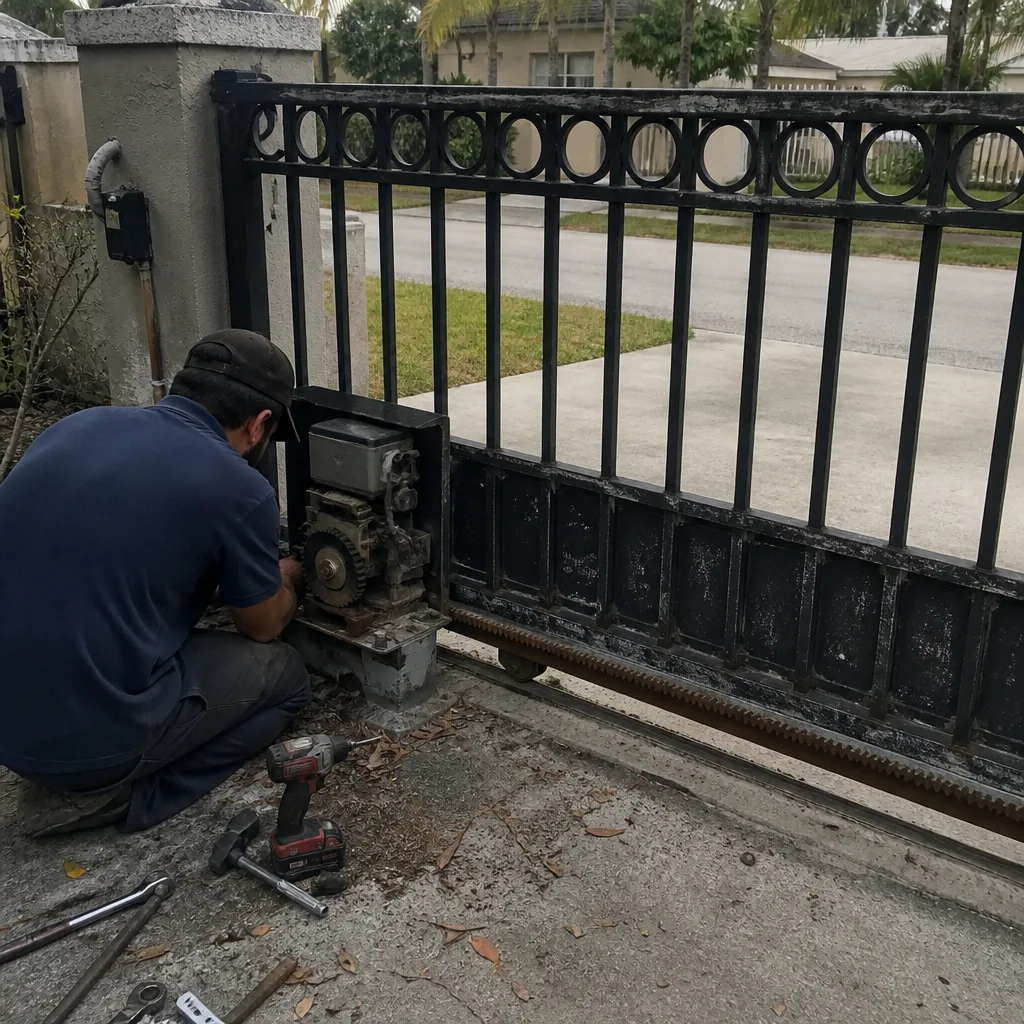 Before
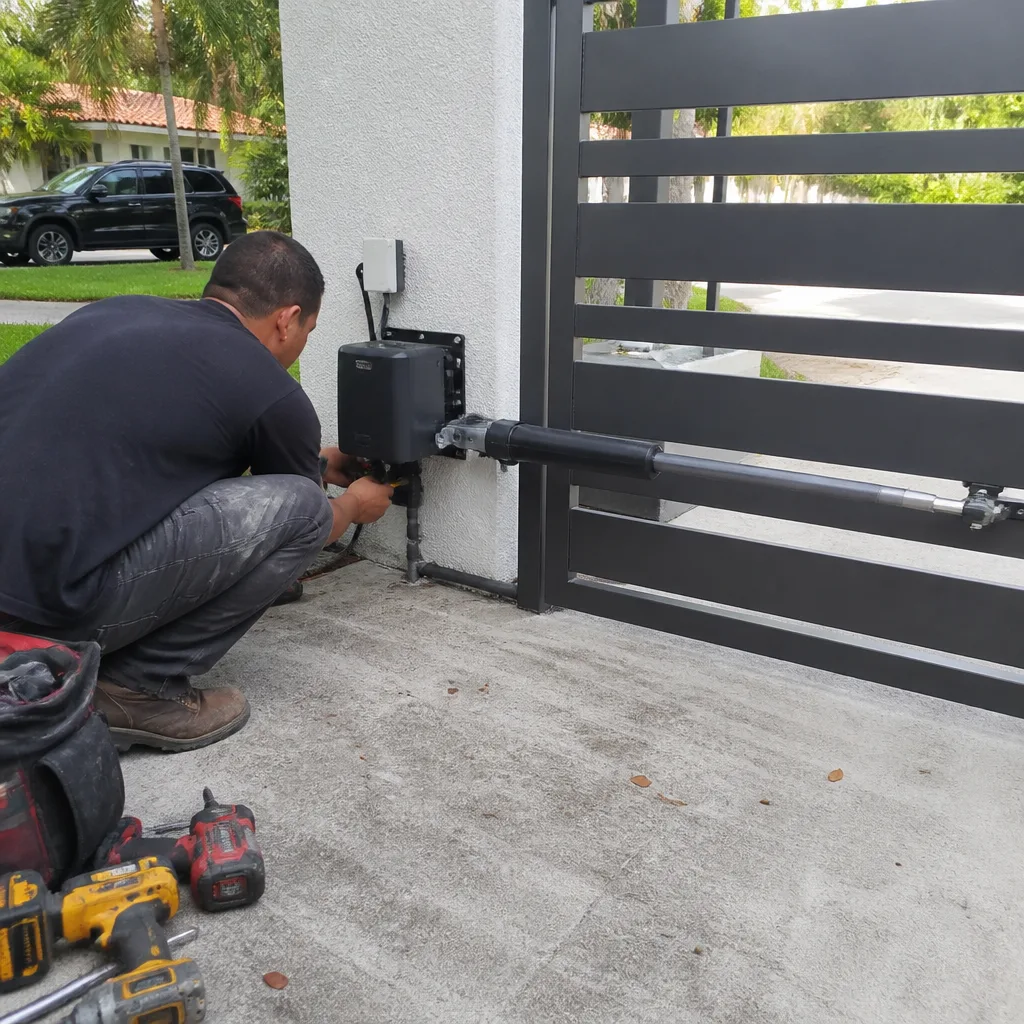 After
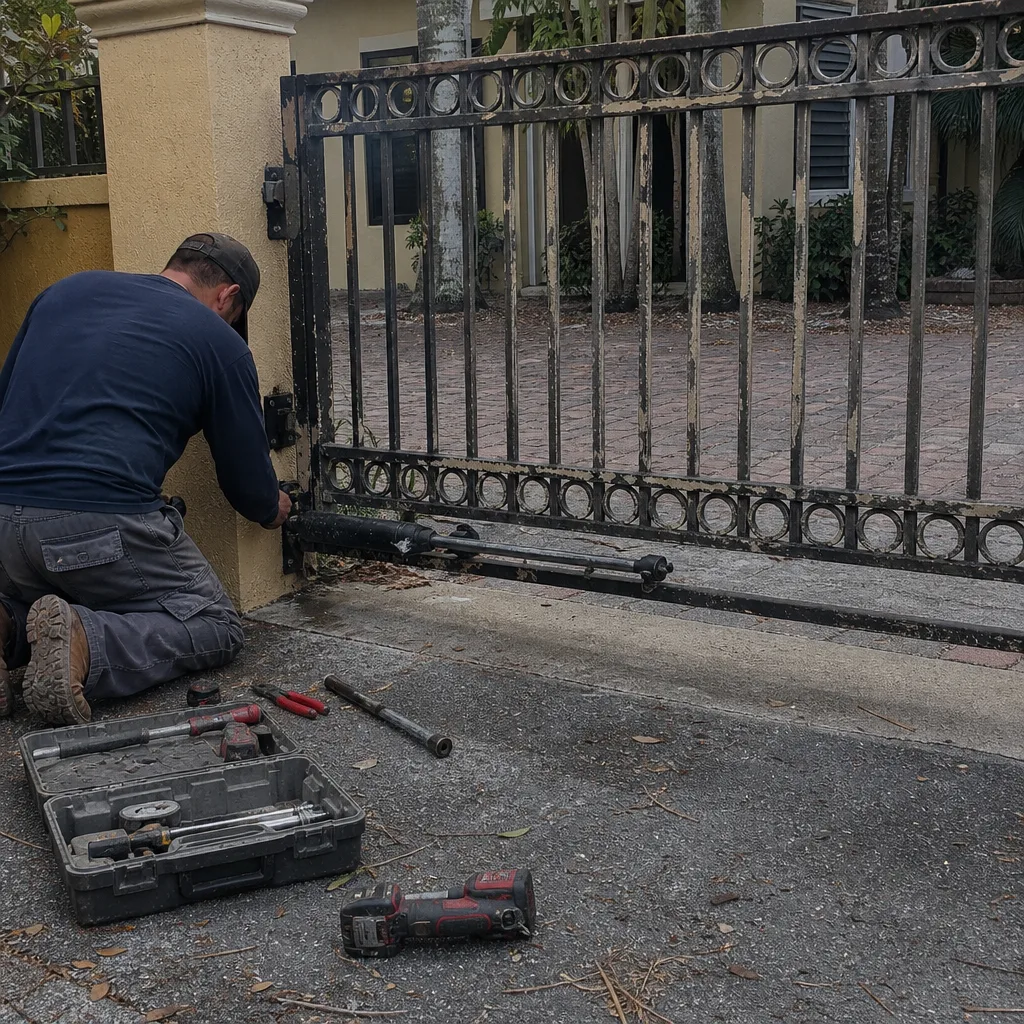 Before
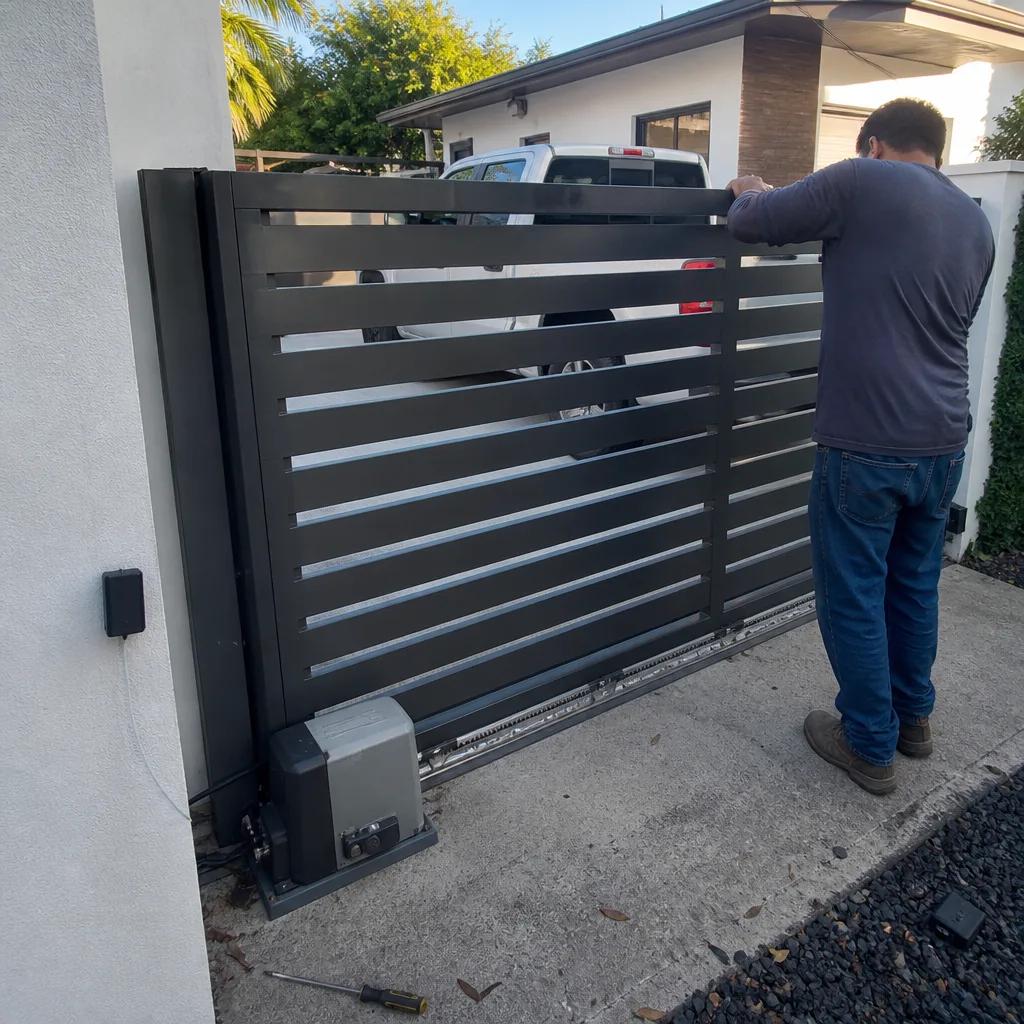 After
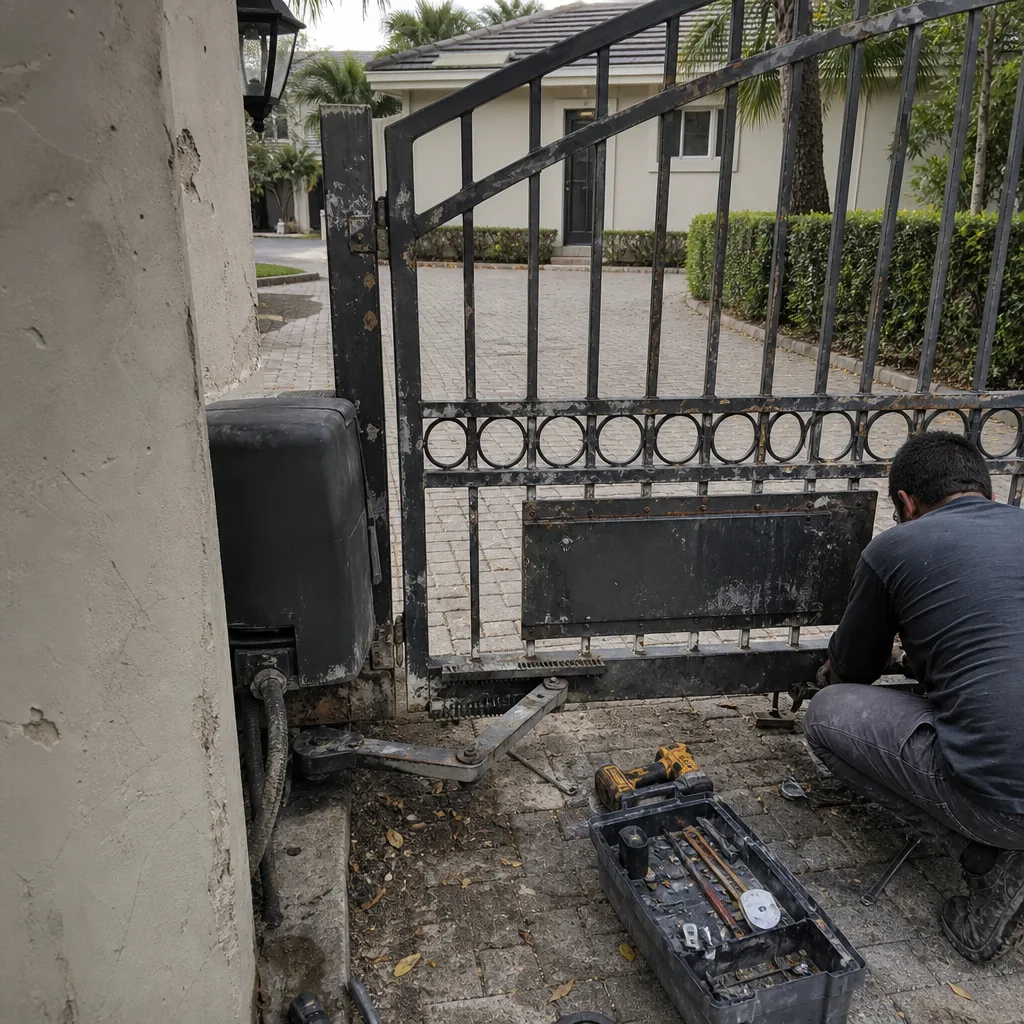 Before
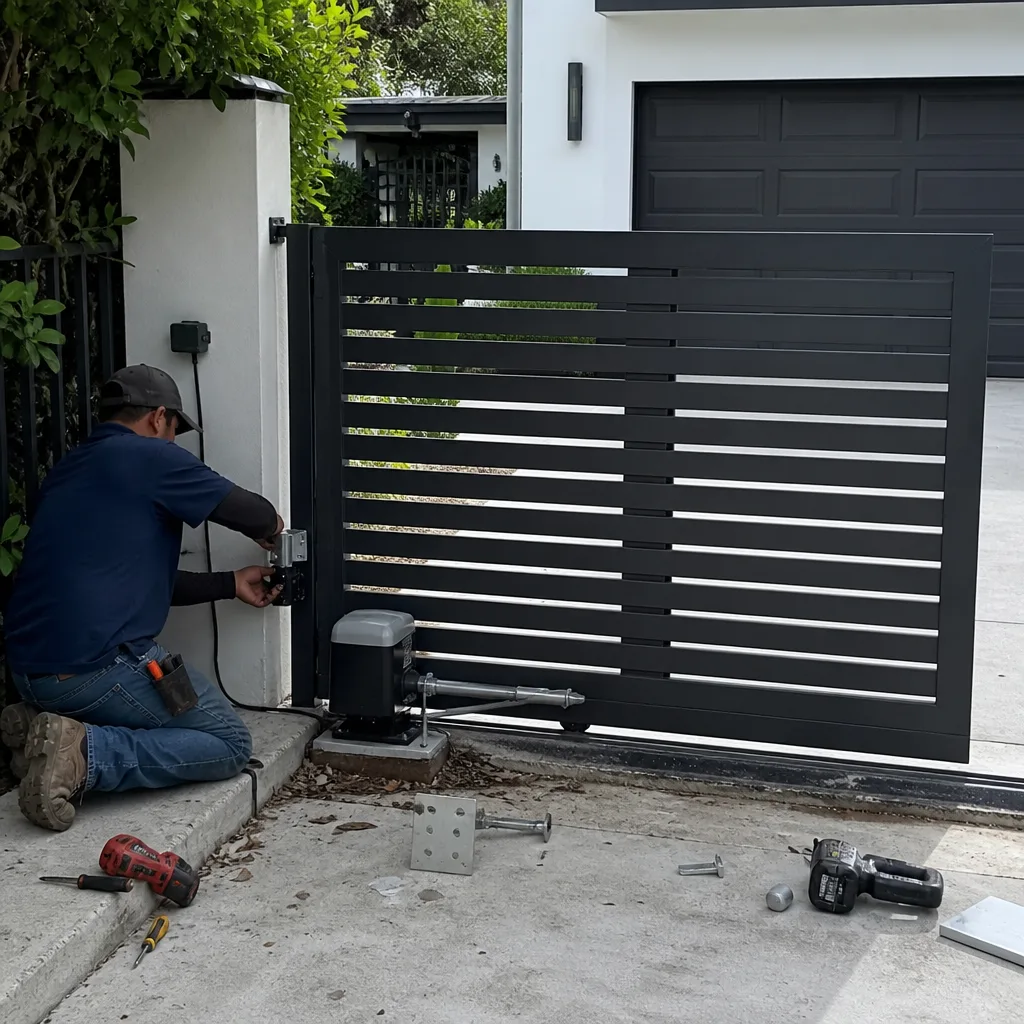 After
Frequently Asked Questions
You need a permit only if the operator replacement requires new electrical work or if it is part of a new gate installation. A direct motor swap on an existing circuit is maintenance that does not require a permit. If a new dedicated circuit or disconnect is required, that is electrical work that triggers the permit requirement in Miami-Dade. Call (855) 752-6802 for clarification on your specific operator, whether it is a BFT, Linear, Viking, or Ghost Controls unit.
Search the Miami-Dade County permit database by your property address and look for the permit number with the correct scope of work and contractor name. A legitimate contractor provides the permit number within a day of filing. If no permit appears for your address in the database, it does not exist, regardless of what the contractor claims.
The High Velocity Hurricane Zone is a Florida Building Code designation applying to Miami-Dade and Broward Counties that imposes stricter wind-load standards on all structures, including gates and their posts. Gates in Miami must be engineered for higher wind speeds than gates in the rest of Florida, which affects post depth, footing size, panel design, and operator mounting hardware. Permitted gate work in the county is reviewed against these HVHZ standards.
An unpermitted gate modification is likely to be flagged during the buyer’s home inspection and used as a negotiation tool against the seller. The cost to resolve the issue during a sale, whether through a credit, price reduction, or retroactive permit, is almost always higher than pulling the permit at the time of the work. Keep invoices for maintenance repairs and permits for any structural or electrical modifications.
A simple residential gate operator permit in Miami-Dade is typically reviewed and issued within one to two weeks, provided the submittal is complete and correct. Structural gate permits with engineering requirements may take longer. The inspection schedule depends on contractor scheduling, not county approval speed.
Replacing gate posts in any Miami-Dade jurisdiction requires a structural permit, and the footing must be inspected before concrete cures. A homeowner pulling their own permit is possible, but the cleanup cost of non-compliant concrete work is higher than the permit fee. We recommend professional handling for any post-related work due to the HVHZ structural requirements. Daystar Gate Repair handles Gate Repair in Miami including permitted structural work, with full documentation from start to final approval.
The Bottom Line
The permit question for gate work in Miami-Dade comes down to one durable rule: repairs are exempt, modifications are not. Component replacements that restore a gate to its original condition stay in maintenance territory and need only proper documentation. Anything that changes the structure, adds new electrical work, or alters the gate’s safety systems crosses into permit territory, and the county’s HVHZ standards make that permit review genuinely protective, not merely procedural. Skipping the permit saves a few hundred dollars at the moment and risks thousands at resale or claim time. Smart Miami property owners treat permits as cheap insurance and documentation as standard practice. When in doubt, a five-minute call to a gate specialist in Miami resolves the question before money is spent in the wrong direction.
Written by the team at Daystar Gate Repair, serving Miami since 2018.